

Unlock the Secrets of Panchkarma: Top Tips for a Transformative Detox

Panchakarma Treatment

Unlock the Secrets of Panchkarma: Top Tips for a Transformative Detox

By: Nimba - April 24, 2025

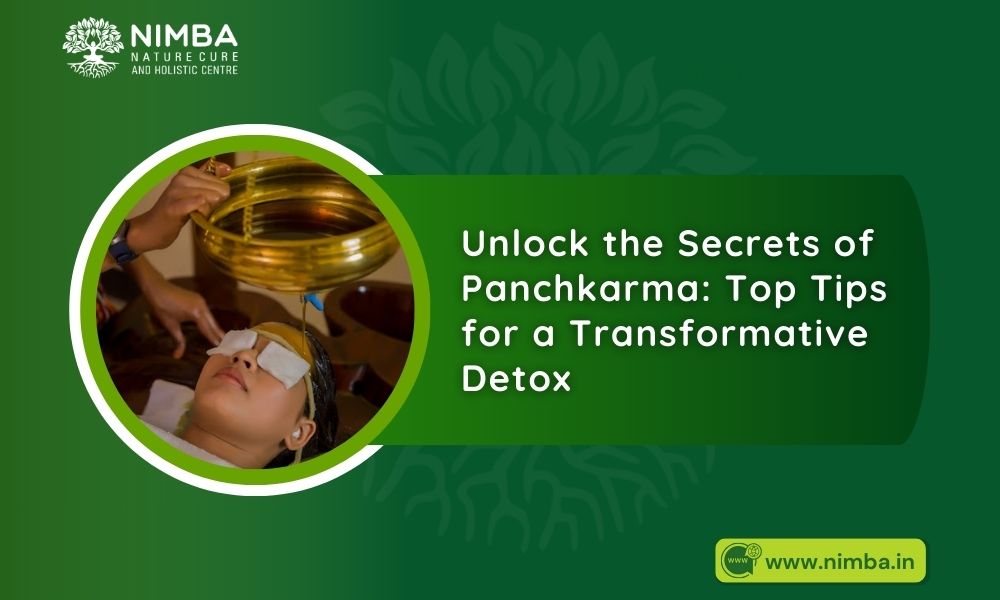
How often do we really take a moment to pause in our fast and always-connected lives these days? Not only does it put the body to rest but also clears the mind, heart, and spirit as well. At this point, Panchkarma, an ancient yet ever-relevant healing therapy of Ayurveda, begins to act as a sacred reset button for your whole being.  Be it a yearning for some physical detox, emotional release, or just some more profound connection to thyself, Panchkarma provides the space, having the rituals and wisdom that turn the process into a journey home.  So let’s dive into what really makes Panchkarma a life-transformational experience and how Nimba Nature Cure & Holistic Health Centre is the ideal place to start this splendid journey.

 What Is Panchakarma?

Panchkarma is the Sanskrit term that means “five actions,” which refers to a deep detoxification process in Ayurveda. It is a gentle yet very powerful way of cleansing the body of toxins (ama) based on the five therapeutic treatments suitable for one’s body type and imbalances.

These include:

  • Vamana (Therapeutic vomiting): Clears excess mucus and toxins.
  • Virechana (Purgation): Flushes out toxins from the liver and intestines.
  • Basti (Enemas): Restores balance in the colon using medicated oils or decoctions.
  • Nasya (Nasal cleansing): Detoxifies the head and sinus region.
  • Raktamokshana (Bloodletting): Improves circulation and clears skin (used selectively).

Top Tips for a Deeply Transformative Panchakarma Experience

Everything is set for you to begin your journey! These practical and soulful tips will try to help you out in unlocking the real magic of Panchakarma and getting the most out of your retreat: 

1. Intention in Entering

Just before the very first treatment, pause. Ask yourself, Why am I here? For the sake of healing some ailment or being at inner peace? Clarity of intention is crucial in setting the tone for everything that follows.

2. Easing into the Food

About a week ahead of the program, one should start eating light. Heavy foods, alcohol, caffeine, sugar, and meat need to be reduced or avoided entirely. Warm and light foods hydrate you. This nice, gentle pre-cleanse says to your body, We’re getting ready for something sacred. 

3. Dive into the Stillness

Do not think about it. Do everything slowly on treatment days. Relax with the guilt of not doing anything. Read something soothing, meditate, and take long naps. The more you rest, the more rejuvenation happens. 

4. Disconnect to Connect

Turn all notifications off. Get away from the computer. The silence offers an opportunity to connect with your thoughts, breath, and soul. Digital distractions can inhibit emotional release; the present allows you to truly feel your healing. 

5. Thoughtful Hydration and Nourishment

Warm water and herbal teas are your allies. Sip all day. Eat only what you’ve been prescribed—mostly khichdi, rice gruel, or cooked vegetables. Trust that your body knows what to do when properly nourished.

6. Feel Every Emotion and Let It Flow

You might get outbursts of emotion, moodiness, or pure bliss at the oddest times. This is normal. Panchakarma stirs emotions long held in the body. Rather than pushing them away, allow those feelings in. Healing happens when you let emotions flow. 

7. Document Your Journey

Even a few lines every day allow you to reflect and observe the subtle shifts—emotionally, physically, and energetically. You won’t realise it at that time, but journaling becomes your roadmap for transformation.

Benefits of Panchakarma: Why It’s More Than Just Detox

Panchkarma isn’t just a “cleanse”—it’s a holistic reboot for your entire being. The benefits are profound and wide-ranging:

  • Boosts digestion & metabolism
  • Reduces stress, anxiety, and fatigue
  • Improves mental clarity and emotional resilience
  • Enhances quality of sleep
  • Strengthens immunity
  • Promotes radiant skin and anti-aging
  • Balances the body’s bio-energies (Doshas)

 Why Nimba Is Special

For more than an ordinary wellness retreat, Nimba Nature Cure & Holistic Health Centre is the site, which welcomes real healing. Surrounded by nature and innovatively constructed around deep relaxation, Nimba offers a holistic approach to wellness, backed by Ayurveda and modern healing techniques, alongside personalised care. Detoxification is not just a cleansing of the body but also revitalises the mind and spirit. Here is what makes Nimba innately different.

  •  Peaceful Natural Environment
  •  Personalised Healing Plans
  •  Holistic Approach
  •  Comfortable and Simple Stays
  •  A Team That Cares

Detoxification from panchkarma is not a small thing, as it is about returning to one’s self to rediscover the very wisdom of the body itself, the rhythm of the soul, and the quiet knowing of the heart. The time and space you allow yourself for deep healing will consequently allow you to emerge clearer, lighter, and more in alignment with who you truly are. Panchakarma is meant for such spaces, and let Nimba be the sacred place for that. Because sometimes, simply moving out of the world is all that is needed for you to come back to yourself again.
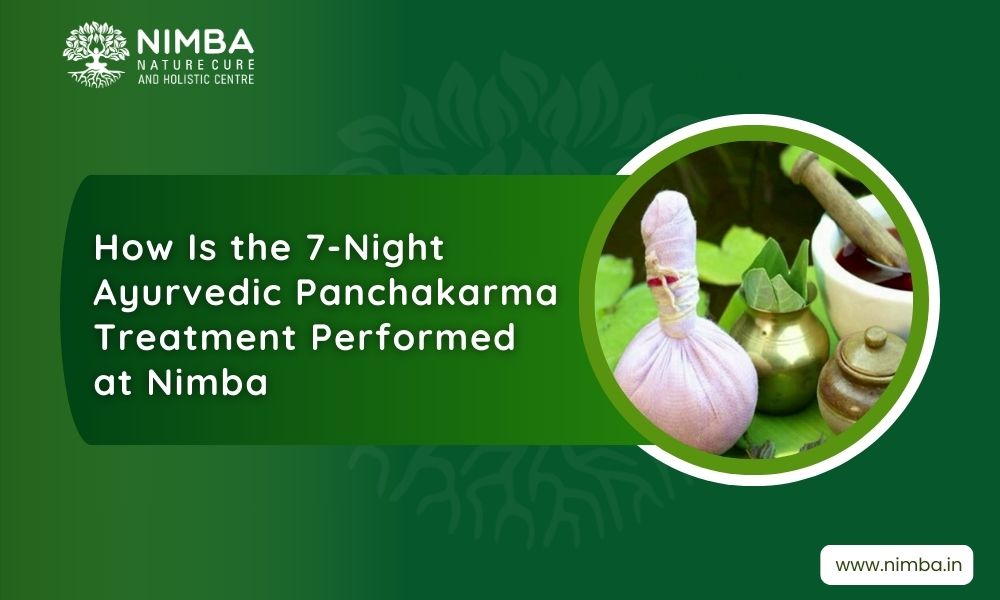
How Is the 7-Night Ayurvedic Panchakarma Treatment Performed at Nimba

How Is the 7-Night Ayurvedic Panchakarma Treatment Performed at Nimba (1)

How Is the 7-Night Ayurvedic Panchakarma Treatment Performed at Nimba

By: Nimba - April 11, 2025

When looking for India’s top Panchkarma centre, Nimba Nature Cure is hands down the place to be. Nimba is popular for its original Ayurvedic treatments and the unadulterated healthy surrounding it provides. Nimba has a 7-night Panchakarma treatment that is developed to heal the body, mind, and soul completely. What goes on during an excellent Ayurvedic program, though? We will now better understand the process of the Ayurvedic Panchakarma treatment provided by Nimba.

What Is Panchakarma?

Panchakarma is actually an ancient Ayurvedic detoxification method that stands for “five actions.” These actions are Vamana (forceful vomiting), Virechana (purgation), Basti (enema), Nasya (nasal cleansing) and Raktamokshana (bloodletting). Through these five steps, the treatment goal is to restore the balance of the doshas (Vata, Pitta, and Kapha), remove poisons, and, at the cellular level, ensure the body is being rejuvenated.

Why Choose Nimba for Panchakarma

Appointed a superior place in India for the purpose of Panchkarma, Nimba is a place where you receive a tailor-made Panchakarma experience under the guidance of a doctor employing effective Ayurvedic rituals, herbal preparations, and a serene and elevated atmosphere. It is not only a therapy that you take—it is a positive change in your lifestyle.

The 7-Night Panchakarma Journey at Nimba

Day 1: Arrival & Consultation

  • A traditional Ayurvedic drink welcomes the guests to the centre. 
  • The doctor at Nimba’s Ayurvedic centre assesses the guests’ bodies and health problems by asking some questions. 
  • The doctor finalised a treatment plan for the Panchakarma for a guest after that. 

Day 2-3: Preparatory Phase (Purva Karma)

  • Treatments such as oil massage and steam therapy are the two most prominent preferences. 
  • The patient is fed the medicated butter or oil inside to get rid of and detoxify the toxins from the body. 
  • The diet is modified to make the body accept the detoxification process. 

Days 4-6: Main Detox (Pradhana Karma)

  • Depending on individual requirements, certain or all of the five Panchakarma modes might be conducted: 
  • Vamana (Emesis): Removal of Kapha toxins via induced vomiting. 
  • Virechana (Purgation): Cleansing of the digestive tract to eliminate excess Pitta. 
  • Basti (Medicated Enemas): Detox and nourishment through herbal enemas. 
  • Nasya (Nasal Detox): Opens the sinuses and helps to relax the mind. 
  • Raktamokshana (Blood Cleansing): Specific approaches for some conditions are optional. 

Day 7: Rejuvenation Phase (Paschat Karma)

  • Digestive strength is rebuilt through light and nourishing meals.
  •  The practice of rejuvenating herbs (rasayana therapy) is introduced to the patients. 
  • Yoga, meditation, and breathwork sessions are part of emotional as well as mental balancing practices. 

What makes Nimba the best panchakarma centre in India?

  • Ayurvedic and yoga therapies work hand in hand with the patient thanks to support from the expert doctors at the centre. 
  • Rejuvenated Nature: A healing campus that is sustainable and balances greenery with concrete. 
  • Extra care: In addition to Ayurveda, the centre provides naturopathy, yoga, physiotherapy, and diet therapy services. 
  • Unique experience: No need to visit different places; physical, mental, and spiritual healing can be achieved here only. 

Benefits of 7-Day Panchakarma at Nimba

  • It helps to get rid of the accumulated toxins throughout our bodies. 
  • It not only detoxifies the body but also has a positive effect on the overall immune system and digestive system. 
  • It uplifts the individual’s spirits by relieving stress, anxiety, and exhaustion. 
  • It can also help you have longer and deeper sleep and have mental clarity. 
  • It not only makes you feel energetic and full of energy but also balances your chakras and brings peace of mind.

Ready to Experience True Healing?

The Panchakarma treatment serves beyond wellness to be a mind- and body-changing process at Nimba. This 7-day Panchakarma experience is a solution if you are dealing with symptoms of lifestyle diseases, stress, and so on, or you just need to rejuvenate. You can check out more details about the Best Panchkarma Centre, Nimba, and start your journey for total health today.

Also Read: Panchakarma Treatment for Weight Management: Sustainable Weight Loss with Ayurveda

Ayurvedic Remedies for Improving Eyesight: A Natural Approach to Healthy Vision

Ayurvedic Remedies

Ayurvedic Remedies for Improving Eyesight: A Natural Approach to Healthy Vision

By: Nimba - March 10, 2025

Our eyes are continuously exposed to screens, artificial lighting, and environmental contaminants in the digital world, which causes impaired eyesight, dry eyes, and eye strain. Given the growing number of people having vision issues, we should pay more attention to natural therapies meant to strengthen and guard our eyes. Using herbal medicines, lifestyle modifications, and eye care techniques, Ayurveda, the ancient Indian school of medicine, provides complete answers to enhance eyesight.

At Nimba Nature Cure, we see Ayurveda as a means of naturally restoring and preserving good vision. Let’s investigate some of the greatest Ayurvedic medications for lifestyle modifications and eyesight enhancement, as well as for eye diseases.

Understanding Vision in Ayurveda

According to Ayurveda, the eyes are governed by the Pitta dosha, which controls light perception and metabolism in the body. Weak eyesight, fuzzy vision, and dryness might result from Pitta dosha imbalanced by too much screen time, bad food, or lack of rest.

Ayurveda emphasises bringing equilibrium back using:

  • Herbal treatments nourish the eyes.
  • Modifications in diet to improve vision
  • Yoga and eye exercises to ease strain
  • Ayurvedic treatments aimed at long-term eye wellness

Ayurvedic techniques let you naturally improve eyesight and stop vision degradation.

Best Ayurvedic Medicines for Eyesight

Ayurveda offers several herbs and natural therapies meant to support eye health and sharpen eyesight. These are many of the best Ayurvedic remedies for vision:

1. Triphala: The Ultimate Eye Tonic

Triphala (a blend of Amla, Haritaki, and Bibhitaki) is a powerful Ayurvedic remedy for rejuvenating the eyes.

Rich in antioxidants and Vitamin C to protect against eye damage
Improves blood circulation to the eyes, reducing strain
Helps in treating dry eyes and irritation

How to Use:
Drink Triphala water (soak Triphala powder in water overnight, strain, and drink) daily.
Use Triphala eyewash by rinsing your eyes with the strained solution.

2. Amla (Indian Gooseberry): A Vision Booster

Amla is one of the best Ayurvedic medicines for eyesight due to its high Vitamin C content, which strengthens the optic nerves.

Reduces eye strain and fatigue
Enhances night vision and clarity
Prevents cataracts and age-related vision loss

How to Use:
Consume Amla juice daily on an empty stomach.
Include Amla powder in your diet for long-term eye health.

3. Ghee (Clarified Butter): A Natural Lubricant for the Eyes

Ayurveda highly recommends pure desi ghee for eye nourishment and hydration.

Soothes dry, tired eyes
Strengthens optic nerves and vision
Reduces dark circles and puffiness

How to Use:
Add 1 teaspoon of ghee to your daily diet.
Use ghee-based eye drops (Netra Tarpana therapy) under expert guidance.

4. Honey: A Natural Vision Enhancer

Pure honey is an effective Ayurvedic remedy for improving eyesight naturally.

Reduces eye infections and irritation
Improves blood circulation in the eyes
Helps treat redness and dryness

How to Use:
Apply 1 drop of pure honey (organic) in each eye for cleansing.
Mix honey with warm water and drink daily to strengthen vision.

5. Almonds, Fennel & Mishri: Traditional Ayurvedic Remedy

A blend of almonds, fennel seeds, and mishri (rock sugar) has been used for generations to enhance eyesight.

Boosts memory and vision
Reduces eye strain and weakness
Strengthens retinal health

How to Use:
Grind almonds, fennel, and mishri into a fine powder and consume 1 teaspoon with warm milk before bed.

Ayurvedic Diet for Better Eyesight

Ayurveda recommends a balanced diet rich in eye-nourishing foods to maintain sharp vision.

Eat More of These for Stronger Eyesight:

  • Rich in vitamin A and lutein, leafy greens (Spinach, Moringa) also pack beta-carotene from carrots and sweet potatoes.
  • Aluminium and walnuts Keep Omega-3 for eye health.
  • ginger and turmeric help to lower eye irritation.
  • Coconut water helps the body detoxify and hydrate it.

Avoid excess caffeine, fried foods, and sugary drinks as they contribute to Pitta imbalance and weaken vision.

Yoga & Eye Exercises for Improved Vision

Regular yoga and eye exercises help strengthen eye muscles and reduce strain caused by prolonged screen time.

Best Yoga Poses for Eye Health:

  • Palming exercise restores worn-out eyes
  • Tratta, sometimes known as candlegazing, improves clarity and concentration.
  • Humming breath, or Bhramari Pranayama, lowers eye pressure.
  • Sarvangasana, the shoulder stand, increases eye blood flow.
  • Daily yoga practice helps eyesight to improve organically.

Ayurvedic Therapies for Eye Health

At Nimba Nature Cure, we provide specifically Ayurvedic eye therapies meant to restore vision:

  • Netra Tarpana is a treatment whereby medicinal ghee is spread over the eyes to revitalise vision.
  • A relaxing oil treatment called shirodhara lowers strain and enhances ocular performance.
  • Nasya treatment consists of nasal drops meant to assist in sinus and ocular channel detoxification.

These naturally occurring Ayurvedic treatments enhance general ocular health and offer long-lasting relief from eye conditions.

With Ayurveda’s all-encompassing approach, taking care of your eyes comes easily. From yoga and Ayurvedic treatments to herbal medicines and dietary changes, including these techniques into your daily life will greatly enhance eyesight and help to avoid future vision problems.

Here at Nimba Nature Cure, we provide professional advice and tailored Ayurvedic eye treatments to enable you to naturally improve vision.

Looking to see Ayurveda’s power for your eyes? See Nimba Nature Cure to begin your road towards better vision right now.

Also Read:  Adopt Ayurvedic methods to improve eyesight | Home remedies to improve eyesight | Nimba Nature Cure 

Unlocking the Healing Power of Ayurvedic Approaches to Diabetes

Ayurvedic Treatment for Diabetes in India

Unlocking the Healing Power of Ayurvedic Approaches to Diabetes

By: Nimba - March 7, 2025

Affecting millions of individuals and interfering with daily life, diabetes is a developing worldwide health issue. Ayurveda for diabetes provides a whole approach that treats the underlying cause of the problem, whereas Western medicine concentrates on controlling blood sugar levels by medication and lifestyle changes.

At Nimba Nature Cure, we believe in natural healing, dietary changes, herbal medicines, and lifestyle modifications to restore balance and enhance general well-being, as Ayurveda is our belief to be the cure for diabetes. Let’s look at how Ayurveda might properly control diabetes.

Understanding Diabetes in Ayurveda

Diabetes is called “Madhumeha,” or “sweet urine disease,” in Ayurveda. It falls under Prameha, a collection of metabolic diseases brought on by doshas—Vata, Pitta, and Kapha, not in balance.

Most often occurring type 2 diabetes is connected to a Kapha dosha imbalance that causes metabolic problems and insulin resistance.

  • Vata dosha imbalance linked to type 1 diabetes causes critical tissues to be depleted.
  • Pitta dosha problems often affect gestational diabetes experienced throughout pregnancy.
  • Ayurveda seeks to treat the underlying causes of diabetes by restoring dosha balance, not only by controlling symptoms.

Ayurvedic Remedies for Diabetes Management

1. Herbal Remedies for Blood Sugar Control

Ayurveda for diabetes makes use of strong herbs well known for their blood sugar-regulating effects:

Considered the “sugar destroyer,” gudmar (Gymnema Sylvestre) improves insulin action and helps lower sugar cravings.

  • These bitter plants, neem and bitter gourd, assist in blood detoxification and control of glucose metabolism.
  • Curcumin, turmeric, has anti-inflammatory effects that raise insulin sensitivity.
  • Three fruits together called triphala help digestion and detoxification.
  • Fenugreek seeds slow down the absorption of carbohydrates, so helping to reduce blood sugar.

Under professional direction, regular use of certain Ayurvedic herbs can naturally help control diabetes.

2. Ayurvedic Diet for Diabetes

Ayurveda holds that preservation of general health depends critically on eating. A balanced meal catered to diabetes control consists in:

  • Whole grains instead of refined ones include barley, millet, and quinoa.
  • To counter Kapha, toss spinach, bitter gourd, fenugreek, and drumsticks.
  • For support of metabolic activity, lentils, beans, and nuts constitute healthy proteins.
  • Herbs and spices help to control blood sugar and improve digestion; turmeric, cinnamon, and cumin.
  • Steer clear of processed and sugary foods to help to minimise white rice, white sugar, and fried foods and blood sugar increases.

A tailored Ayurvedic diet can greatly aid in naturally controlling diabetes.

3. Lifestyle Changes & Yoga for Diabetes

Beyond herbs and diet, Ayurveda advises changes in lifestyle to naturally regulate diabetes:

  • Asanas like Surya Namaskar, Vajrasana, and Paschimottanasana increase insulin sensitivity.
  • Deep breathing exercises called pranayama—such as Kapalbhati and Anulom Vilom—help control metabolism.
  • Walking, swimming, and moderate exercise improve digestion and glucose metabolism.
  • Enough rest and stress management: Lack of sleep and persistent stress cause hormonal imbalances aggravating diabetes.
  • To support mental health, Ayurveda advises meditation, massage techniques, and herbal relaxation treatments.

Including these Ayurvedic lifestyle choices helps diabetes control to be more sustainable and comprehensive.

4. Detoxification & Panchakarma for Diabetes

By removing toxins and harmonising doshas, the Ayurvedic detoxification treatment known as Panchakarma significantly helps manage diabetes.

Well-known Ayurvedic detox programs for diabetes consist of:

  • Cleansing extra Pitta and detoxifying the liver, virechana—therapeutic purging—allows
  • Medicated enema, or basti, controls Vata dosha and promotes digestion.
  • Helps with Kapha imbalance and increases circulation in Swedana, herbal steam therapy.

Personalised Panchakarma treatments are available at Nimba Nature Cure to naturally control diabetes and improve general well-being.

5. Ayurvedic Supplements & Natural Drinks for Diabetes

Ayurveda also advises natural drinks and supplements to help control blood sugar.

  • Rich in vitamin C, amla juice helps the pancreas be rejuvenated.
  • Turmeric & cinnamon tea improve insulin action.
  • Aloe Vera juice controls glucose levels and cleanses the body.
  • When on an empty stomach, methi (fenugreek) water helps control blood sugar.
  • These natural therapies, together with a good lifestyle, help to control diabetes effectively.

Why Choose Nimba Nature Cure for Diabetes Management?

True healing, in our opinion at Nimba Nature Cure, comes from a comprehensive approach that emphasises body, mind, and lifestyle changes above only symptom management. Our knowledgeable Ayurvedic therapists and doctors design individualised diabetic treatment regimens using:

  • Ayurvedic herbal medicine
  • Panchakarma & detoxification techniques
  • Yoga and meditation to lead stress-free life
  • tailored diets for diabetic management

Our Ayurveda for diabetes treatments might enable you to lead a better, more balanced existence if you’re seeking natural, long-term remedies to diabetes.

Visit Nimba Nature Cure to release Ayurvedic potential for diabetic control right now.


Read also:  How Can You Treat Diabetes The Ayurveda Way?

7 Things Everyone Should Know About Pulmonary Fibrosis

A holistic approach to pulmonary fibrosis treatment

7 Things Everyone Should Know About Pulmonary Fibrosis

By: Nimba - November 13, 2024

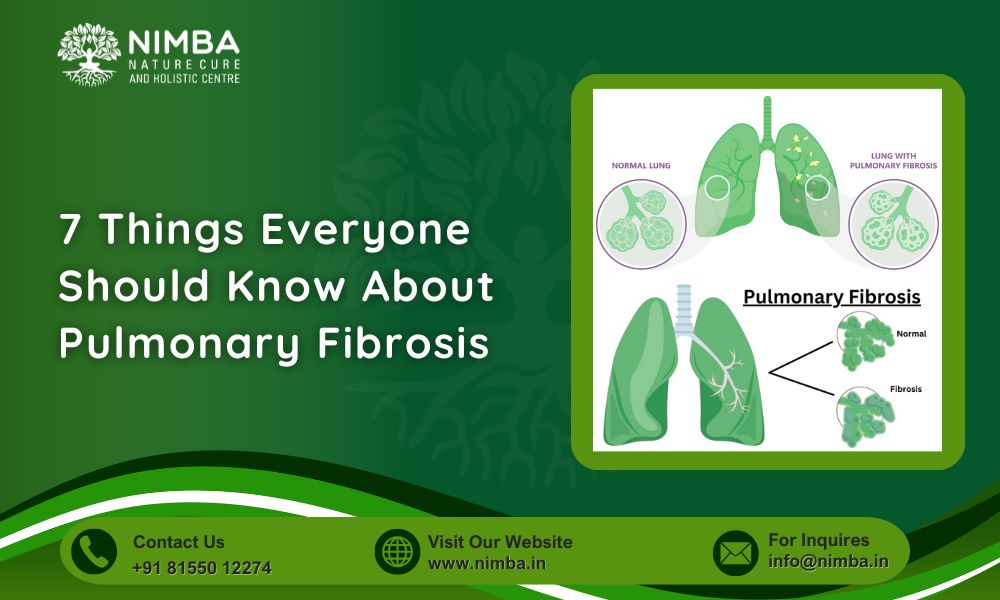
Pulmonary fibrosis is a continuous worsening of the lung tissue and its structure making it difficult for oxygen to be absorbed by the blood. This illness may limit a person’s breathing capability and greatly affect his/her daily living. Knowledge of pulmonary fibrosis is important whether for prevention, detection and diagnosis or living with the disease. Here are seven crucial facts that everyone should learn when it comes to pulmonary fibrosis and how natural therapies, as offered at Nimba Nature Cure, can provide a great addition to traditional pulmonary fibrosis therapy to enhance lung wellbeing.

1. What Is Pulmonary Fibrosis?

Pulmonary fibrosis is a form of respiratory disease in which tissue in the lungs gets stiff and thickened due to scarring. This scarring (or “fibrosis”) injures the lung tissue and the lungs cannot expand as they should to fill with oxygen. It only gets worse with time and people who have the disease will start experiencing breathlessness and fatigue and their endurance level of physical activity will reduce. It is always important to note new symptoms especially cough and breathlessness and seek medical help in case of the symptoms crop up.

2. Common Symptoms of Pulmonary Fibrosis

Symptoms of pulmonary fibrosis can vary depending on the individual and disease progression, but the most common symptoms include:

  • Shortness of breath, especially during exercise
  • Persistent dry cough
  • Fatigue
  • Unexplained weight loss
  • Aching muscles and joints
  • Clubbing of fingers and toes (a condition where fingers become rounded and swollen)

While these symptoms may resemble other respiratory conditions, it’s crucial to consult a healthcare professional if these symptoms persist or worsen.

3. Causes and Risk Factors

Pulmonary fibrosis can be caused by various factors, although in many cases, the exact cause remains unknown. The condition may result from:

  • Environmental factors: Exposure to pollutants, dust, and chemicals
  • Infections: Certain viral and bacterial infections
  • Medications: Certain chemotherapy drugs and heart medications
  • Autoimmune diseases: Conditions like rheumatoid arthritis or lupus can cause lung scarring
  • Genetic predisposition: Family history of pulmonary fibrosis may increase risk

These risk factors may increase the likelihood of developing pulmonary fibrosis, but natural therapies and lifestyle adjustments, as provided at centres like Nimba Nature Cure, can help manage symptoms and improve lung function.

4. Pulmonary Fibrosis Treatment Options

There is currently no cure for pulmonary fibrosis, but treatments can slow progression, reduce symptoms, and improve quality of life. Treatment options generally include:

  • Medications: Anti-fibrotic medications can help slow disease progression.
  • Oxygen Therapy: Oxygen supplementation helps those with low blood oxygen levels.
  • Pulmonary Rehabilitation: Exercises and breathing techniques to improve lung function.
  • Natural Therapies: Complementary treatments at Nimba Nature Cure, including yoga, Ayurveda, and naturopathy, may assist in managing pulmonary fibrosis by improving overall lung capacity, enhancing relaxation, and reducing stress on the respiratory system.

A holistic approach that combines both conventional and natural therapies may offer the most effective results.

5. Role of Diet and Lifestyle in Managing Pulmonary Fibrosis

Diet and lifestyle interventions are also critical aspects of treatment of pulmonary fibrosis. Because the illness results in symptoms including fatigue and weight loss, taking nutrient-dense, non-inflammatory foods, lean proteins, and lots of fruits and vegetables will assist with maintaining one’s weight, fighting off the disease’s fatigue, and decreasing inflammation levels.

Such habits like exercising, deep breathing, breathing exercises, and pranayama the science of breathing can also complement the lungs and endurance. Nimba Nature Cure has packaged lifestyle modification programs such as diet, physiotherapy and yoga for respiratory disorders clients.

6. Advantages of Naturopathy and Ayurveda in Treatment of Pulmonary Fibrosis

Naturopathy and Ayurveda try to heal the body with natural treatments that will help it regain its ability to self-heal, which is useful for pulmonary fibrosis treatment. Natural therapies like those offered at Nimba Nature Cure include:

Herbal Remedies: Ayurvedic herbs include spinach, the European green crab, and the black ganoid flatfish, whereas anti-inflammatory Ayurvedic herbs like turmeric and ginger can help the lungs.

Yoga and Breathing Techniques: Exercises like yoga and pranayama help increase the lung capacity and duration of breath and at the same time help to unwind.

Detox Therapies: Panchakarma in Ayurveda is a detox treatment that removes toxins that tend to trigger inflammation in the body.

Hydrotherapy: This therapy involves use of water whereby water increases blood circulation and decreases muscular fatigue this being helpful to patients with pulmonary fibrosis.

As in any other health care facility, the treatments that are offered at Nimba Nature Cure focus on the individual health needs of every patient thus resulting in more natural and effective treatments other than symptomatic treatments.

7. The Importance of Early Detection and Ongoing Support

This is especially possible when the development of the illness can be diagnosed at a very early stage. Patients with type 2 diabetes can basically reduce the symptoms and progression of the disease through modifying their lifestyle or getting the right medication on time. Nevertheless, pulmonary fibrosis commonly goes unnoticed early because its symptoms are similar to those of other diseases of the respiratory system.

The regular examination, breathing check ups and being observant of any signs are among the ways of early diagnosis. After being diagnosed, the patients should adhere to their doctor’s prescriptions and follow up with required medical and wellness care attention from centres such as the Nimba Nature Cure where this condition is more manageable and significantly enhances the quality of life of the affected persons.

Why Nimba Nature Cure is the Perfect Wellness Companion for Pulmonary Fibrosis Support

Nimba Nature Cure has a holistic approach to treating pulmonary fibrosis by using all natural treatments and, consulting with specialists to help support, strengthen, and prevent further damage to the lungs. For their wellness programs they tailor services and product to cater to chronic respiratory patients, services offered include; Yoga, Ayurveda, naturopathy, dietary counselling. People who seek for additional treatment alongside the typical treatments can seek help from Nimba’s natural treatments to support both the body and mind.

Living with pulmonary fibrosis can be challenging, but a combination of medical treatments, lifestyle modifications, and natural therapies can significantly improve quality of life. By understanding the disease, making informed choices, and seeking holistic support from centres like Nimba Nature Cure, individuals with pulmonary fibrosis can better manage symptoms, maintain lung health, and enhance overall wellness. Early detection and proactive care are vital, so if you or a loved one experience any symptoms, consult with a healthcare provider promptly.

Pranayama for Asthma: A Natural Approach to Better Breathing

Pranayama for Asthma

Pranayama for Asthma: A Natural Approach to Better Breathing

By: Nimba - September 10, 2024

People in our society are always under pressure, worry, and anxiety, which makes it difficult to keep concentrated. One approach to improve mental health is mindfulness—that is, awareness of the present moment and a re-connection with oneself. The premier naturopathy treatment centre in Gujarat, Nimba Nature Cure, bases their whole approach on natural health techniques like Pranayama for asthma. This article looks at eight effective mindfulness exercises meant to harmonise your mind, body, and soul, thereby encouraging a balanced and better existence.

Alternative and complementary medicine in the management of asthma is incorporated into a multi-faceted programme at the Nimba Nature Cure – the Best Naturopathy Treatment Centre in Gujarat. Since it involves the act of controlled breathing, this form of practice also benefits the lungs, reduces inflammation and soothes the nerves, thereby enabling a better control of asthmatic symptoms.

How Pranayama Helps Asthma Patients

Pranayama helps in increasing the lungs capacity, tone of the respiratory muscles and thus reducing the stress response which is normally associated with asthma attack. If practised consistently then Pranayama can result in vast enhancements to one’s breath intake as well as respiratory system. Here’s how it helps:

  • Improves Oxygen Flow: Pranayama improves the amount of oxygen in the lungs and the rate at which oxygen is exchanged thus relieving asthmatic patients.
  • Reduces Stress and Anxiety: Employees also suffer from asthma which has the main cause being stress. Since pranayama involves slow breathing, it affects the parasympathetic nervous system which leads to reduction of stress.
  • Strengthens Respiratory Muscles: Some of the Pranayama exert pressure on the diaphragm and/or intercostal muscles thereby enhancing lung capacity and efficiency.
  • Enhances Lung Function: The institutions recommend that practice be conducted on a regular basis because doing so will definitely enhance lung capacity thereby enhancing the ability of the patient to respond to an asthma attack.

Key Pranayama Techniques for Asthma

There are several Pranayama techniques that are particularly beneficial for asthma patients. These simple yet powerful breathing exercises can be easily incorporated into daily routines and are designed to promote relaxation, improve lung function, and reduce asthma symptoms.

Anulom Vilom (Alternate Nostril Breathing)

      • How it helps: Balances oxygen flow, clears nasal passages, and improves lung function.
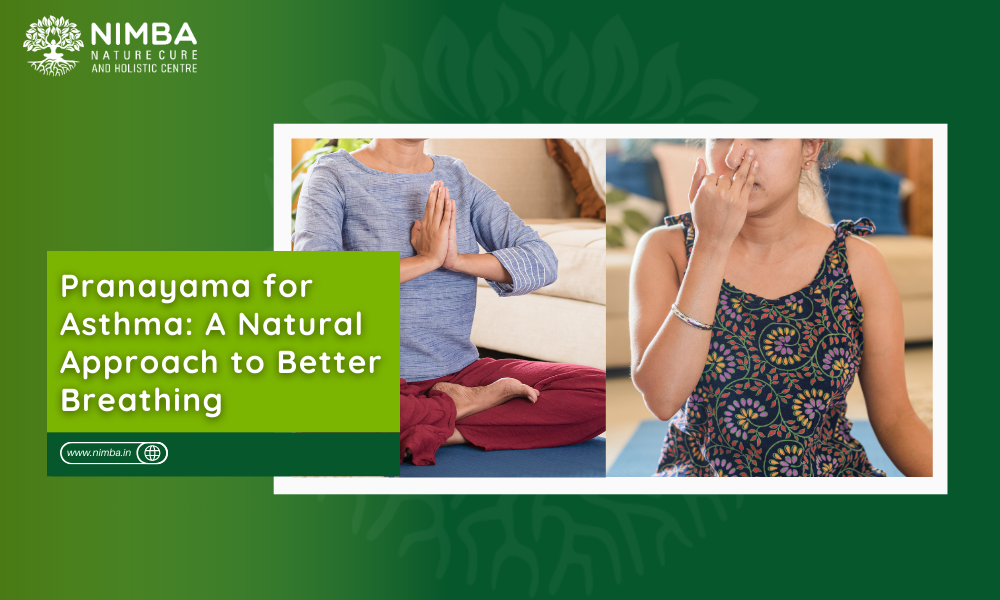
      • How to practise: Inhale through one nostril while closing the other, then switch nostrils for exhalation.

Bhastrika Pranayama (Bellows Breathing)

      • How it helps: Increases lung capacity, improves oxygen intake, and strengthens respiratory muscles.
      • How to practise: Take deep, forceful breaths in and out rapidly through the nose, using the diaphragm.

Ujjayi Pranayama (Ocean Breath)

      • How it helps: Promotes relaxation and regulates airflow, helping to calm the airways during asthma attacks.
      • How to practise: Inhale and exhale slowly through the nose while creating a constricted sound at the back of the throat.

Nadi Shodhana (Purification Breath)

    • How it helps: Detoxifies the respiratory system, improves lung capacity, and balances energy in the body.
    • How to practise: Inhale through one nostril and exhale through the other, alternating between nostrils.

These techniques are simple to learn and can be practised at home. However, for optimal results, it’s beneficial to learn these techniques under the guidance of an expert, such as those at Nimba Nature Cure.

Why Choose Nimba Nature Cure for Pranayama?

At Nimba Nature Cure, the focus is on offering a natural, holistic approach to health. As the best naturopathy treatment centre in Gujarat, Nimba combines Pranayama with other naturopathy treatments, yoga, and a well-balanced diet to help individuals manage asthma more effectively. With a serene environment and professional guidance, Nimba is the ideal place to learn and practise Pranayama for long-term respiratory health.

Monsoon Wellness Revealed: Ayurvedic Secrets to Stay Healthy!

Monsoon Wellness

Monsoon Wellness Revealed: Ayurvedic Secrets to Stay Healthy!

By: Nimba - August 7, 2024

Summer and monsoon are comparatively cooler than the rest of the year as the later brings in a relief from the hot months. But the same facility comes with the following health complications; digestive complications, skin infections, and respiratory complications. Here are the remedies from Ayurveda, the health system of ancient India that can guarantee good health in the monsoon period. Thus in this blog, we will unveil the Dos and Don’ts based on this science of Ayurveda which is specific to the rainy season as well as explore about ‘What is new treatment in Ayurveda Centre’ keeping in mind a Centre such as Nimba Nature Cure.

Understanding Monsoon Wellness in Ayurveda

Ayurveda is more extensive in its philosophy; instead of focusing on the sickness, it targets optimal functionality of the body, mind, and spirit. Based on the Ayurveda, the monsoon season poses a havoc to the Vata and Pitta doshas and thus invades one with different ailments. It can cause digestive issues and lowers down the immunity of a body. To combat all these behaviours, Ayurveda advises one to take specific types of foods, engage in special activities and receive certain forms of treatment, all of which are associated with monsoon.

Ayurvedic Secrets for Monsoon Wellness

1. Ayurvedic Diet for Monsoon

  • Warm and Light Foods: Drinking warm water and taking foods, which are light in nature and can be easily digested should be consumed in order to avoid bloating abdomen. Say no to deep fried foods, junk foods and non-vegetarian foods and go for soups, steamed vegetables and khichdi.
  • Herbal Teas: In terms of warm drinks, herbal teas prepared from ginger, tulsi, and cinnamon are beneficial for the immune system as well as for digestion.
  • Avoid Heavy and Oily Foods: Minimise the consumption of foods that may take a lot of effort to be digested. They include fried and heavy foods. Also, minimise the consumption of foods which are salty or sour in nature as these foods increase the Pitta dosha.
  • Seasonal Fruits and Vegetables: Some produce to add are the fruits during the respective season, apples and pomegranates and some vegetables like bitter gourd and bottle gourd which aids in the detoxification of the body.

2. Ayurveda Treatments for Monsoon

Hence, it is very advantageous to undergo a treatment during the monsoon time in a health centre like the Nimba Nature Cure Hospital. Here are some Ayurveda treatments that can enhance your wellness:Here are some Ayurveda treatments that can enhance your wellness:

  • Abhyanga (Ayurvedic Massage): An oil massage that involves the use of herbal oils that help soothe the muscles, enhances blood circulation and washes of body stress which in result helps to balance the doshas in the body.
  • Panchakarma Therapy: On the basis of eliminating toxic substances from the body and restoring the functional capabilities of the organs. It comprises treatments like Vamana which is emesis, Virechana is purgation and Basti which is medicated enema.
  • Swedana (Herbal Steam Bath): Another treatment is steamer which entails using steam containing some herbal substances that assist in flesh cleaning and relieve respiratory diseases.

3. Lifestyle Practices for Monsoon Wellness

  • Yoga and Meditation: Yoga and meditation should be practised regularly to develop flexibility of the spine, build up the mechanism of immunity, and to always be in a state of mind, which is free from worry.
  • Regular Exercise: Aim to include moderate exercises in the activities to be done such as walking or stretching to keep the body metabolism active.
  • Adequate Sleep: Sufficient rest also has to be taken so that the body can be allowed to rest and recover from the damages incurred throughout the day. It is also encouraged that one does not take siesta because it hampers digestion and forms part of the night’s rest.

Benefits of Visiting an Ayurvedic Centre Like Nimba Nature Cure

Nimba Nature Cure, a renowned Ayurvedic centre, offers a holistic approach to health and wellness. Here’s why you should consider visiting:

  • Expert Guidance: Get personalised health plans and treatments from experienced Ayurvedic practitioners.
  • Natural Therapies: Experience a range of natural therapies that promote detoxification, relaxation, and overall well-being.
  • Serene Environment: Enjoy the healing benefits of being in a peaceful and natural environment, away from the hustle and bustle of city life.

Monsoon wellness is all about balancing the body’s doshas and strengthening immunity to combat seasonal ailments. By following Ayurvedic dietary and lifestyle practices, and opting for Ayurveda treatments at an Ayurvedic centre like Nimba Nature Cure, you can stay healthy and enjoy the monsoon season to its fullest.

Embrace the wisdom of Ayurveda and discover the secrets to monsoon wellness. Visit Nimba Nature Cure to experience the transformative power of Ayurvedic treatments in Gujarat and embark on a journey towards holistic health.


Also Read:-  Fight Back Monsoon Woes With Naturopathy Treatments

How Ayurveda Helps with Blood Pressure Types: Hypertension & Hypotension

Hypertension

How Ayurveda Helps with Blood Pressure Types: Hypertension & Hypotension

By: Nimba - July 11, 2024

High blood pressure and low blood pressure are two of the most frequent disorders, impacting millions of people globally. However, Ayurveda offers an effective hypertension treatment in Ayurveda, addressing the root causes rather than just the symptoms. Based on the principles of Ayurveda, this blog will describe hypertension and hypotension, their symptoms, and how they can be treated with Ayurvedic remedies, dietary and lifestyle recommendations, and individualised therapies. Understanding hypertension in Ayurveda involves balancing the doshas and using specific ayurvedic medicine for hypertension to promote overall health.

Having a Big Picture on Blood Pressure, According to Ayurveda

In Ayurveda, blood pressure imbalances are linked to the three doshas: Vata, Pitta, and Kapha are three basic doshas, whose interaction is aimed at regulation of physiological processes in the body. These doshas contribute to the proper functioning of the body, and an imbalance in these doshas may cause the following diseases; high and low blood pressure.

  • Hypertension: It is related to the disorder in the Pitta and Vata doshas often. This dosha is responsible for heat and metabolism issues, so Pitta’s imbalance leads to high blood pressure. (Vata being the dosha that causes movement and circulation), and causes hypertension if it is increased.
  • Hypotension: Usually associated with an increase in Vata and/or a decrease in Kapha doshas. Vata’s irregularities are associated with slow circulation whereas an aggravated Kapha dosha, which is responsible for providing structure and stability, may cause low blood pressure by decelerating functions.

Ayurvedic Management of Hypertension

Dietary Recommendations:

  • Cooling Foods: To cool and soothe Pitta, the balance should be taken in by means of foods such as cooling and soothing commodities like cucumber, melons, and other Water elements dairy products, and green-leafed vegetables.
  • Avoid Hot and Spicy Foods: This applies to mild Pitta pacification by reducing the spicy, salty, and sour foods which are known to trigger the condition.
  • Herbs and Spices: Cooling nutritional ingredients should also be taken such as coriander, fennel, and turmeric to help regulate digestion.

Lifestyle Practices:

  • Stress Management: This calls for the use of yoga, meditation, and pranayama as forms of body exercise to ease off stress which is a leading cause of hypertension.
  • Regular Exercise: Perform simple physical activities such as walking, swimming, and Yoga so that the body does not accumulate fat and circulation is proper.
  • Adequate Sleep: The rate of metabolism and digestion slows down at night and therefore it is recommended that one should have 7-8 hours of sleep to help the body and the mind to rejuvenate and help to bring balance to the doshas.

Herbal Remedies:

  • Ashwagandha (Withania somnifera): Useful in decreasing stress and that person’s blood pressure as well.
  • Arjuna (Terminalia arjuna): Arjuna is effective for the heart which is why it helps to maintain a healthy blood pressure.
  • Triphala: A mixture of three fruits, Triphala has got the capability to purify the body and to remain healthy.

Therapies:

  • Abhyanga (Oil Massage): Of all kinds of massages, oil massages especially with cooling oils like coconut oil or sunflower oil are recommended to cool the nervous system and therefore balance Pitta.
  • Shirodhara: A therapy session in which a therapist pours herbal oil on the forehead and the upper chest and lets the oil set in by keeping the client warm under a blanket.

Ayurvedic Management of Hypotension

Dietary Recommendations:

  • Warming Foods: Add more warming and binding foods such as nuts, seeds, whole grains, and root vegetables to increase Vata and decrease Kapha.
  • Hydration: It is recommended to consume sufficient amounts of water and herbal teas to meet the body’s requirements of water in addition to regulating blood volume.
  • Herbs and Spices: Utilise warming spices in your dishes such as ginger, black pepper, and cinnamon to help the circulatory and digestive systems.

Lifestyle Practices:

  • Regular Routine: Maintain Dinacharya that is correct and steady by taking regular bowel movements to balance the Vata and Kapha.
  • Mild Exercise: Make some efforts to do some forms of exercise like Yoga and walking to boost the circulation and energy in the body.
  • Adequate Rest: Once in a while, it is important to take enough rest so that the body does not get overworked, this is because overworking leads to Vata imbalance.

Herbal Remedies:

  • Ashwagandha (Withania somnifera): Supports energy levels and balances Vata.
  • Licorice (Glycyrrhiza glabra): Helps in maintaining blood pressure and supporting adrenal function.
  • Guduchi (Tinospora cordifolia): Enhances immunity and supports overall vitality.

Therapies:

  • Abhyanga (Oil Massage): Regular oil massages with warming oils like sesame or mustard oil help in invigorating the body and balancing Vata and Kapha.
  • Nasya: Administration of herbal oils through the nasal passages can help in clearing blockages and improving circulation.

Ayurveda offers a comprehensive and personalised approach to managing blood pressure issues. By focusing on balancing the doshas through diet, lifestyle changes, herbal remedies, and therapies, Ayurveda helps in addressing the root causes of hypertension and hypotension, promoting overall health and well-being. At Nimba Nature Cure, we are committed to providing holistic solutions tailored to your specific needs. Embrace the ancient wisdom of Ayurveda to achieve balanced blood pressure and a healthier life.

Discover the transformative power of natural healing with Nimba’s Ayurvedic treatment for blood pressure. At Nimba, we blend ancient wisdom with modern science to provide holistic solutions for managing blood pressure. Our expert practitioners use time-tested Ayurvedic therapies and personalised wellness plans to help you achieve optimal health. Say goodbye to the side effects of conventional treatments and embrace a natural approach to wellness. Visit Nimba today to learn more about our Ayurvedic treatment for blood pressure and take the first step towards a healthier, balanced life. Don’t wait—experience the benefits of Ayurveda now!

Read also: Hypertension Causes, Types, Symptoms, Ayurvedic Treatment

Ayurvedic Management Of Osteoporosis

Ayurvedic Management

Ayurvedic Management Of Osteoporosis

By: Nimba - July 10, 2024

Osteoporosis is a fairly common health ailment which mostly occurs in the elderly population given that it causes the bones to become brittle and prone to breakage. Traditional processes include the use of drugs with possible side effects. However, one of the traditional systems of Indian origin that seems to have methods of handling osteoporosis naturally and holistically is Ayurveda. As we can see, this blog aims at explaining how osteoporosis treatment in Ayurveda plays an important role in the preservation of the denseness of the bones as well as enhances the quality of the lives of sufferers.

Understanding Osteoporosis in Ayurveda

In Ayurveda, osteoporosis is known as Asthi Kshaya which means the loss or deficient quantity of this structure called Asthi i.e bones. This condition is termed as Mamsa Vata’s because this disease is concluded from the disturbance of Vata dosha which naturally leads to the fatty tissue and bone tissue destruction. 

Ayurvedic Dietary Recommendations

An appropriate meal plan is recommended in Ayurvedic management of osteoporosis. Here are some dietary guidelines to follow:

  1. Calcium-Rich Foods: Try to include the products derived from yoghurt such as milk, yoghurt and cheese. Spinach, kale and broccoli, green leafy vegetables contain a lot of calcium.
  2. Sesame Seeds: Sesame seeds are nutritious and that can be consumed daily as well since they contain calcium. Sesame seed oil can also be used for purposes of cooking food since it is edible oil Thus sesame seed oil can also be used for frying foods to enhance their flavours.
  3. Nuts and Seeds: Mouth opening foods such as almonds, walnuts, flaxseed has what is known as good bone foods.
  4. Whole Grains: Consume whole grains that are wheat, barley and brown rice among others.
  5. Herbs and Spices: Select major spices such as turmeric, ginger, cumin beneficial in improving digestion, absorption, and assimilation of the nutrients.
  6. Vitamin D: Get enough sun exposure and remain fit to allow your body to have the right calcium absorption vitamin d.

Ayurvedic Lifestyle Practices

  • Daily Routine (Dinacharya): People should stick to their normal schedule throughout the day because this assists in regulating the body. Do oil bathing with warm sesame oil (abhyanga), wake from bed early, and do some mild physical activity or yoga.
  • Stress Management: Try out yoga and Pranayama where yoga is taught as a way of dealing with stress since it is a disorder which worsens the Vata dosha.
  • Sleep: Try to get as much sleep as possible, at least 7- 8 hours every night, because the human body requires it to enrich bone formation process.

Ayurvedic Herbal Remedies

There are a large number of herbs used in Ayurveda for the management of bone health disorders and osteoporosis. Some of the key herbs include:

  • Ashwagandha (Withania somnifera): These include; Ashwagandha which is well known for its ability to restore energy and assists in building up strong bones.
  • Shatavari (Asparagus racemosus): Fennel is good for bones and is particularly recommended to women in their postmenopausal years.
  • Guggulu (Commiphora mukul): Anti-inflammatory in nature, guggulu is useful where the bones are painful and inflamed.
  • Amalaki (Emblica officinalis): Packed with Vitamin C, Amalaki aids in relation to the synthesis of collagen which is significant to bone strength.
  • Hadjod (Cissus quadrangularis): This herb has been used particularly as a remedy for bone setting and to make the bone stronger.

Ayurvedic Therapies

  • Panchakarma: This therapy supports detoxification procedure and thus helps to maintain and restore the doshas in the body. We can include treatments like Basti (Medicated Enema) and Abhyanga (Oil Massage) more in osteoporosis patients.
  • Kizhi: In this therapy, warm poultices of specific local herbs are applied on the complaint parts, and this reduces pain and inflammation and enhances the nature of the bones.
  • Pizhichil: One of the varieties of therapeutic oil massages is Pizhichil that can benefit in making bones strong and regularising circulation.

Osteoporosis treatment in Ayurveda offers a comprehensive approach to managing and preventing bone loss through natural and holistic means. By incorporating dietary changes, lifestyle modifications, herbal remedies, and therapeutic practices, Ayurveda provides a sustainable way to enhance bone health and overall well-being. If you are considering Ayurvedic treatment for osteoporosis, it is advisable to consult with a qualified Ayurvedic practitioner to develop a personalised treatment plan tailored to your specific needs.

At Nimba Nature Cure, we are dedicated to providing holistic and natural solutions for managing osteoporosis. Our experienced practitioners and state-of-the-art facilities ensure that you receive the best care for your bone health. Embrace the wisdom of Ayurveda and take a step towards a healthier, stronger you.

HOW AYURVEDA CAN HELP MANAGE ARTHRITIS SYMPTOMS

ARTHRITIS SYMPTOMS

HOW AYURVEDA CAN HELP MANAGE ARTHRITIS SYMPTOMS

By: Nimba - June 21, 2024

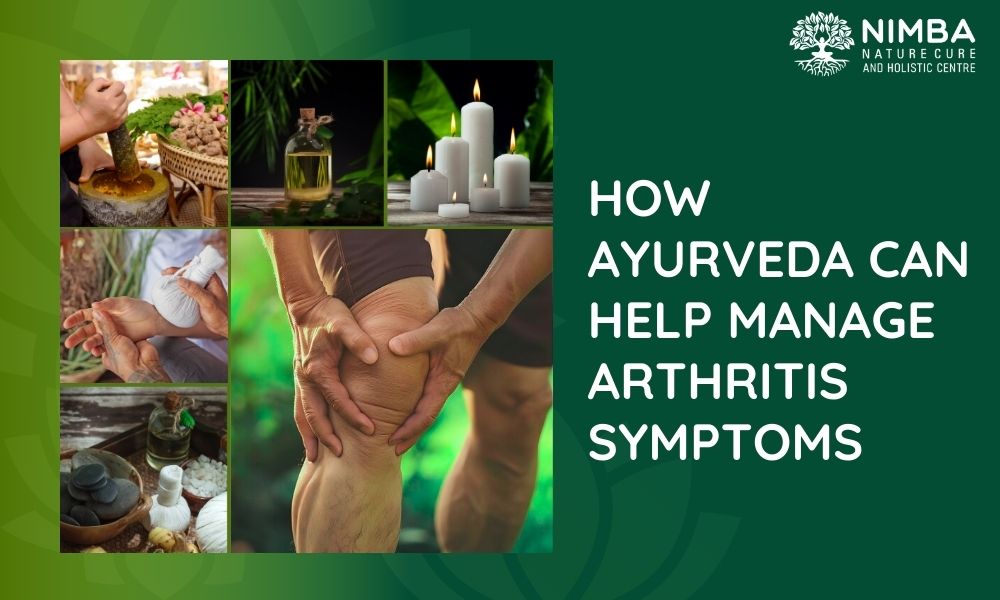
Arthritis forms a family of ailments, which prevail and have millions of victims throughout the globe, and makes people experience pains in their joints and stiffness alongside swelling. Though there is rich medical practice in today’s world, people are focusing on Ayurveda as an extended and effective treatment for arthritis. This is called Nimba Nature Cure which is one of the best available Ayurvedic centres in Gujarat where people can get a chance to understand the impact of Ayurveda in treating arthritis.

Understanding Ayurveda and Arthritis

Ayurveda is an ancient holistic healing system that comes from India and was established 5000 years ago it is based on the belief that health and the state of an individual depends on the balance of the 3 fundamental life forces known as do-shas. Dependent on Ayurvedic medicine, Sandhivata or arthritis affects a human body due to increase in the Vata dosha that regulates the movement and dryness in the body. Such a condition makes it possible for toxins, referred to as ama in Ayurveda, to precipitate in the joints, hence swelling and pain.

Ayurvedic Approaches to Managing Arthritis

In Nimba Nature Cure, the standard practice involves the several ways in which Ayurvedic treatment practices can be used to improve the patient’s general wellbeing and reduce the impacts of arthritis. Here are some key Ayurvedic approaches that can significantly alleviate arthritis discomfort. Here are some key Ayurvedic approaches that can significantly alleviate arthritis discomfort:

1. Dietary Modifications:

In Ayurveda, eating is very vital in the process of addressing imbalances of doshas among the patients. The diet has to be free from inflammation triggers and include austere turmeric, ginger, and garlic. These spices possess properties that have the ability to cure pains and inflammation that arise around our joints. Also, moderation in the intake of foods that are rich in the qualities of Vata and avoidance of foods that are characterised by the qualities of Vata which are cold and raw foods is recommended.

2. Herbal Remedies:

Ayurvedic medications with herbals are utilised in treating arthritis and controlling their effects. Some of the most effective herbs include:Some of the most effective herbs include:

Ashwagandha: I.e. It has been known to possess the ability to act as an anti-inflammatory agent as well as having the capacity to alleviate pain.

Boswellia: used typically to treat inflammation of the tissues in the body and the improvement of joint health and function.

Guggul: Used in order to ease the pain as well as the inflammation that is associated with the joint.

Turmeric: It contains curcumin which has strong anti-inflammatory properties that are quite useful.

3. Panchakarma Therapy:

Panchakarma is perhaps one of the principal and significant steps involved in Ayurvedic treatments, which include a system of five thermo-physical procedures that are used to detoxify the body. Messrs Panchakarma therapies at Nimba Nature Cure: PanchaKarma therapies are the scientific ways of removal of toxins, balancing doshas and maintaining the overall health of the body. In arthritis patients, for example, this therapy is very effective in reducing the level of inflammation that can affect the arteries as well as in increasing mobility of joints.

4. Abhyanga (Oil Massage):

Abhyanga is a type of oil massage which is used to treat predominantly the musculoskeletal system, to make joints smoother and to stimulate circulation and unfasten stiffness. This is in a manner that is specific to one’s dosha and or affording symptomatic relief to arthritis together with enhancing one’s flexibility through warm medicated oil.

5. Yoga and Meditation:

Yoga and meditation activities which are to be practised daily could prove beneficial for arthritis patients because they increase joint flexibility and promote reduction of stress and build facilitating an optimistic outlook towards life. Some of the splits ideal for arthritis patients are intended to foster proper support of joints as well as decrease pains via the strengthening of muscles around the joint areas.

6. Lifestyle Adjustments:

It has also prohibited consumption of.Genetics also plays an important role in the Ayurveda diet by discouraging consumption of unhealthy foods and encouraging exercise, sleep and stress management. This means that simple adjustments such as having a regular repeating schedule for the day, drinking recommended amounts of water or any beverage of their choice, to prevent pressure being put on the joints for extended periods of time can go a long way in controlling arthritis.

Experience Holistic Healing at Nimba Nature Cure

This is the change that we offer at Nimba Nature Cure, the capability to alter your life through Ayurveda. Highly skilled professionals make a point of meeting with individual clients to understand their conditions and develop a treatment plan that tackles arthritis cause and not only the symptoms. With the understanding of modern medicine and the concepts of Ayurveda, we can offer holistic care to the patients with arthritis as it not only enhances the physical health but also takes care of the mental and emotional health of the patients.

Arthritis is one of the conditions that can make a person partly or fully immobile, depending on the stage of the disease. However, the principles of Ayurveda are aimed at the complete treatment and strict regulation of systematic indicators. Nimba Nature Cure is the first choice if you are looking to visit the  Best Ayurveda centre in Gujarat, which is based on the concepts of our ancestors blended with the best of present-day science to help you in rejuvenating yourself and coming back with a positive outlook towards life. Be gentle to your body and mind, include Ayurveda in your life, and take the first step towards a pain-free, healthier existence. For further information or to make a booking, please visit Nimba Nature Cure and find out how the principles of Ayurveda can assist you in the alleviation of arthritis as well as in the uplifting of your physical and mental health.