Women's Health

Pregnancy and Postpartum Care

First trimester and postnatal health support

Pregnancy and Postpartum Care treatment at Nimba
Category
Women's Health
Research
4 published studies
Approach
Doctor led, no cure claims
What is it?

Understanding pregnancy and postpartum care

Pregnancy and the period following childbirth involve major hormonal, metabolic, circulatory and musculoskeletal adaptations. These are natural physiological processes, but they can create additional nutritional and physical demands.

During pregnancy, inadequate intake of essential nutrients, pre existing metabolic risk factors and reduced physical activity may contribute to fatigue, iron deficiency and an increased risk of complications such as gestational diabetes.

After delivery, pelvic floor stretching, abdominal muscle weakness, disrupted sleep and the demands of infant care may contribute to urinary leakage, physical discomfort, exhaustion and emotional distress.

Common concerns include nausea, tiredness, backache, reduced stamina, sleep disturbance, mood changes and urinary symptoms. Persistent or severe symptoms require medical assessment rather than being attributed to normal pregnancy or recovery.


Nimba evidence based treatment

How Nimba treats pregnancy and postpartum care

Nimba's proposed maternal wellbeing programme combines individualized nutrition, safe movement, restorative practices and postpartum rehabilitation. All interventions are selected according to the stage of pregnancy or recovery and coordinated with the woman's obstetric care.

01
01

Personalized Maternal Nutrition

A balanced dietary plan emphasizes adequate protein, iron rich foods, folate, fibre, hydration and appropriate energy intake. These nutrients support red blood cell formation, fetal development, tissue repair and maternal metabolic health. Clinically indicated iron, folic acid and other supplements remain part of standard antenatal care; dietary measures do not replace them.

02
Pregnancy Safe Therapeutic Movement at Nimba

Pregnancy Safe Therapeutic Movement

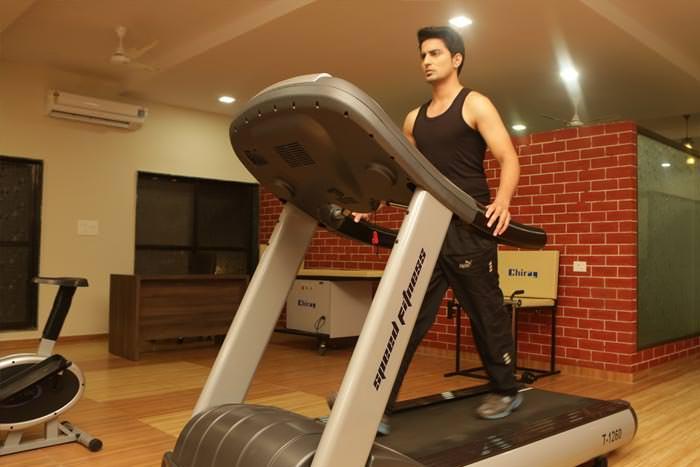
For women cleared by their obstetrician, supervised walking, gentle mobility exercises and appropriately modified aerobic activity may help maintain physical capacity and glucose regulation. Contracting skeletal muscles increases glucose uptake and improves insulin sensitivity, which can support metabolic health during pregnancy.

03
03

Postpartum Pelvic Floor Rehabilitation

After an appropriate postnatal assessment, guided pelvic floor muscle training helps women relearn coordinated contraction, relaxation and muscular support. In selected women, structured training may reduce urinary leakage and improve pelvic floor function.

04
04

Restorative Sleep and Stress Management

Breathing exercises, gentle relaxation, practical sleep planning and emotional support may help manage everyday stress and recovery related fatigue. Women with persistent low mood, severe anxiety or symptoms of postnatal depression require formal screening and appropriate mental health care.

05
Gradual Postnatal Reconditioning at Nimba

Gradual Postnatal Reconditioning

An individualized progression of breathing, mobility, core coordination and strengthening exercises may support functional recovery after vaginal or caesarean delivery. Exercise intensity is adjusted to healing, pain, bleeding, pelvic floor symptoms and medical advice.

Research references

The research behind this plan

Studies selected by Nimba's medical team. They describe research findings, not promises for any one person.

  1. Habe S, et al. (2024). “Factors Associated with Anemia and Iron Deficiency during Pregnancy: A Prospective Observational Study in Japan.” Nutrients, 16(3), 418.

    A prospective study of 317 pregnant women identified a substantial burden of anemia and iron deficiency and examined maternal and nutritional factors associated with these conditions. It supports individualized nutritional assessment during pregnancy.

  2. Rortveit G, et al. (2003). “Urinary Incontinence after Vaginal Delivery or Cesarean Section.” New England Journal of Medicine, 348, 900 to 907.

    This population based study established an association between childbirth and subsequent urinary incontinence, with higher risk after vaginal delivery. It provides a clinical basis for assessing pelvic floor symptoms after childbirth.

  3. Wang C, et al. (2017). “A Randomized Clinical Trial of Exercise during Pregnancy to Prevent Gestational Diabetes Mellitus and Improve Pregnancy Outcome in Overweight and Obese Pregnant Women.” American Journal of Obstetrics and Gynecology, 216(4), 340 to 351.

    In this randomized trial involving women with uncomplicated pregnancies who were overweight or obese, a structured cycling programme started early in pregnancy reduced the incidence of gestational diabetes compared with usual care. The findings support appropriately supervised exercise for eligible women.

  4. Chiarelli P and Cockburn J. (2002). “Promoting Urinary Continence in Women after Delivery: Randomised Controlled Trial.” BMJ, 324, 1241.

    A physiotherapist led programme combining pelvic floor exercise instruction with adherence support reduced urinary incontinence at three months postpartum among women with selected childbirth related risk factors. Results should not be interpreted as a guaranteed or permanent cure.

New · Online Lifestyle Consultation

Not ready to travel yet? Start with a doctor online.

Speak to a Nimba doctor by video from home about your health, your reports and whether a stay suits you.

FAQs

Pregnancy and Postpartum Care: your questions

Can Nimba cure pregnancy and postpartum care?

No cure is promised. Nimba's doctors plan research based treatments that support your recovery alongside the care you already receive. Any change to your medicines is made only with medical advice.

Do I need to stop my medicines?

No. Bring your regular medicines and recent reports. Your Nimba doctor will review them and coordinate with your own doctor where needed. Never stop a medicine on your own.

How long should I stay?

The minimum stay is five nights. Your doctor suggests the length of stay and the programme after consultation.

Is a stay suitable for me?

A Nimba doctor decides after reviewing your history and reports. Some acute or severe conditions need hospital care first. You can start with the free Health Test, a call with a doctor or an online lifestyle consultation.

Which reports should I bring?

Health reports not older than three months, a list of your medicines, and any recent scans or prescriptions relating to your condition.

Nature cures the best

The choice is clear: Heal(th) first.

Reserve your slot for ₹5,000, adjusted against your stay, or test your healing age and talk it through with a Nimba doctor.

Choose your language

EnglishEnglishગુજરાતીGujaratiहिन्दीHindiमराठीMarathiతెలుగుTeluguಕನ್ನಡKannadaFrançaisFrenchDeutschGerman
WhatsApp us