Dysmenorrhoea treatment at Nimba
Category
Women's Health
Research
4 published studies
Approach
Doctor led, no cure claims
What is it?

Understanding dysmenorrhoea

Dysmenorrhoea is a condition characterised by painful menstrual cramps, usually affecting the lower abdomen and sometimes extending to the lower back and thighs.

Primary dysmenorrhoea occurs mainly because of increased production of prostaglandins in the uterine lining, leading to stronger uterine contractions, reduced uterine blood flow and menstrual pain.

Psychological stress, inadequate sleep, smoking and low body weight have been associated with greater menstrual pain, although genetic, hormonal and other biological factors also contribute.

Common signs and symptoms include abdominal cramps, backache, nausea, headache, fatigue and occasional diarrhoea. Persistent or worsening pain may indicate an underlying condition such as endometriosis, adenomyosis or uterine fibroids.

Nimba evidence based treatment

How Nimba treats dysmenorrhoea

Nimba's proposed dysmenorrhoea programme combines therapeutic exercise, selected heat applications, yoga, relaxation and individualised lifestyle assessment to support menstrual pain management and improve daily functioning. Treatment focuses on reducing pain related muscle tension, improving physical conditioning and addressing modifiable factors that may aggravate menstrual discomfort.

01
01

Physical Activity and Physiotherapy

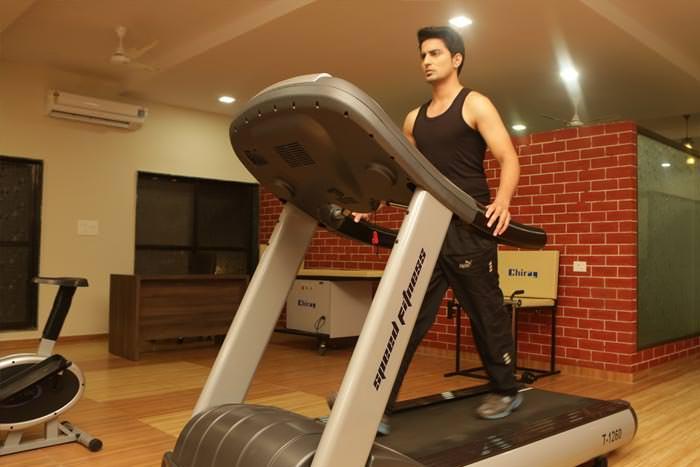
Structured aerobic exercise, walking, gentle stretching and individually selected pelvic and lower back mobility exercises may help reduce menstrual pain. Exercise can influence pain processing mechanisms, physical conditioning and psychological wellbeing. A randomised controlled trial demonstrated improvements in menstrual pain measures following a supervised aerobic exercise programme.

02
Therapeutic Heat and Hydrotherapy at Nimba

Therapeutic Heat and Hydrotherapy

Controlled application of gentle warmth to the lower abdomen can relieve menstrual cramps and improve comfort. Superficial heat promotes local warming, may increase superficial blood flow and can reduce perceived muscle tension and pain. Clinical trials have demonstrated that continuous low level abdominal heat provides meaningful relief from primary dysmenorrhoea. Nimba would select heat based applications according to individual suitability.

03
Yoga, Breathing and Meditation at Nimba

Yoga, Breathing and Meditation

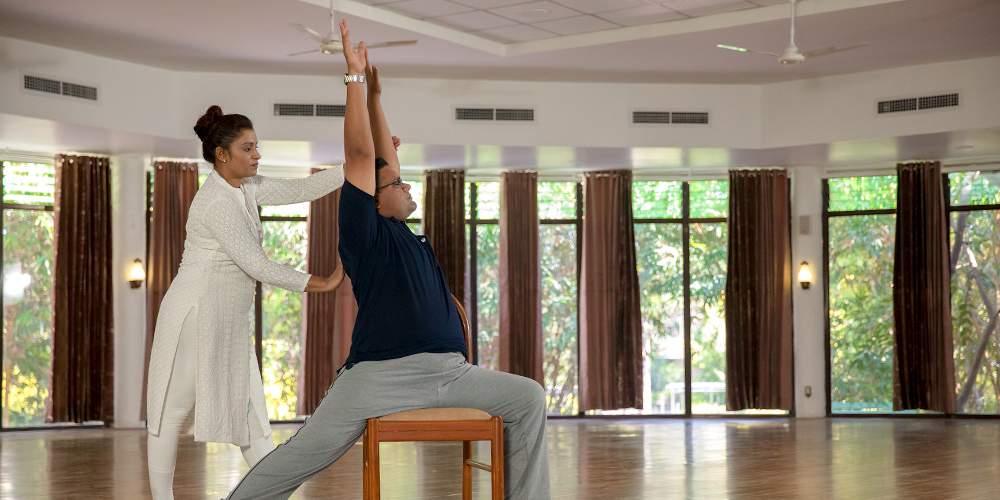
Gentle yoga postures, comfortable breathing exercises and guided relaxation may reduce stress related muscle tension and improve the ability to cope with menstrual discomfort. These practices may influence autonomic regulation and pain perception. Their effectiveness varies, so they are used as supportive interventions rather than as a replacement for established pain treatment.

04
Therapeutic Dietetics and Lifestyle Management at Nimba

Therapeutic Dietetics and Lifestyle Management

Individualised dietary assessment helps identify inadequate nutritional intake, irregular eating patterns and lifestyle factors that may affect menstrual wellbeing. Maintaining adequate nutrition, regular sleep and appropriate physical activity supports general health. Although stress and short sleep are associated with dysmenorrhoea, no specific naturopathic diet has been established as a cure for menstrual pain.

05
05

Individualised Menstrual Health Assessment

Nimba can assess menstrual cycle patterns, pain intensity, sleep, stress, physical activity and the effects of symptoms on daily functioning. A menstrual diary and validated pain scale help establish baseline severity and monitor changes across menstrual cycles. Persistent or unusual symptoms are referred for gynaecological evaluation.

Research references

The research behind this plan

Studies selected by Nimba's medical team. They describe research findings, not promises for any one person.

  1. Powell et al., 1985

    Prostaglandins, 29(2), 273 to 290.

    Hormonal and Biochemical Causes

    This investigation compared menstrual prostaglandin levels in women with and without dysmenorrhoea. Women experiencing menstrual pain had significantly higher levels of prostaglandins F2α and E2, and pain was most closely related to the rate of prostaglandin F2α release. The findings support the role of prostaglandin mediated uterine activity in primary dysmenorrhoea.

  2. Mitsuhashi et al., 2023

    International Journal of Environmental Research and Public Health, 20(1), 569.

    Lifestyle and Menstrual Pain Risk Factors

    This systematic review and meta analysis examined 77 studies and identified associations between primary dysmenorrhoea and several factors, including psychological stress, sleeping fewer than seven hours, late bedtime, low body mass index and family history. The findings provide a scientific basis for assessing lifestyle contributors while recognising that associations do not necessarily establish causation.

  3. Kannan et al., 2019

    Contemporary Clinical Trials, 81, 80 to 86.

    Exercise Based Treatment

    A randomised controlled trial involving 70 women with primary dysmenorrhoea evaluated four weeks of supervised treadmill based aerobic training followed by home exercise. Compared with usual care, the exercise group showed improvements in measures of menstrual pain intensity, pain quality and interference with daily activities after the supervised phase. The findings support structured physical activity as a non pharmacological management option.

  4. Akin et al., 2001

    Obstetrics & Gynecology, 97(3), 343 to 349.

    Heat Based Pain Management

    A randomised clinical trial enrolled 84 women with dysmenorrhoea to compare continuous low level abdominal heat, ibuprofen and placebo treatments. Heat therapy provided significantly greater pain relief than placebo and demonstrated pain relief comparable to ibuprofen within the study. The findings support controlled superficial heat as an evidence based non drug intervention for menstrual discomfort.

New · Online Lifestyle Consultation

Not ready to travel yet? Start with a doctor online.

Speak to a Nimba doctor by video from home about your health, your reports and whether a stay suits you.

FAQs

Dysmenorrhoea: your questions

Can Nimba cure dysmenorrhoea?

No cure is promised. Nimba's doctors plan research based treatments that support your recovery alongside the care you already receive. Any change to your medicines is made only with medical advice.

Do I need to stop my medicines?

No. Bring your regular medicines and recent reports. Your Nimba doctor will review them and coordinate with your own doctor where needed. Never stop a medicine on your own.

How long should I stay?

The minimum stay is five nights. Your doctor suggests the length of stay and the programme after consultation.

Is a stay suitable for me?

A Nimba doctor decides after reviewing your history and reports. Some acute or severe conditions need hospital care first. You can start with the free Health Test, a call with a doctor or an online lifestyle consultation.

Which reports should I bring?

Health reports not older than three months, a list of your medicines, and any recent scans or prescriptions relating to your condition.

Nature cures the best

The choice is clear: Heal(th) first.

Reserve your slot for ₹5,000, adjusted against your stay, or test your healing age and talk it through with a Nimba doctor.

Choose your language

EnglishEnglishગુજરાતીGujaratiहिन्दीHindiमराठीMarathiతెలుగుTeluguಕನ್ನಡKannadaFrançaisFrenchDeutschGerman
WhatsApp us