
Women's Health

Polycystic Ovary Syndrome (PCOS)

Hormonal and metabolic disorder

Polycystic Ovary Syndrome (PCOS) treatment at Nimba
Category
Women's Health
Research
4 published studies
Approach
Doctor led, no cure claims
What is it?

Understanding Polycystic Ovary Syndrome (PCOS)

Polycystic Ovary Syndrome (PCOS) is a common endocrine and metabolic disorder characterised by irregular ovulation, elevated androgen activity and, in some women, polycystic ovarian morphology.

Insulin resistance is an important underlying mechanism in many women with PCOS. Higher circulating insulin levels can contribute to increased ovarian androgen production, disturbed follicular development and irregular menstrual cycles.

Genetic predisposition and hormonal regulation play major roles, while excess weight gain, prolonged sedentary behaviour, inadequate physical activity and unhealthy dietary patterns can aggravate metabolic disturbances and clinical symptoms.

Common signs and symptoms include irregular or absent periods, acne, excessive facial or body hair, scalp hair thinning, weight management difficulties and fertility problems. PCOS may also be associated with impaired glucose regulation, abnormal cholesterol levels, sleep disturbances and psychological distress.

Nimba evidence based treatment

How Nimba treats Polycystic Ovary Syndrome (PCOS)

Nimba's proposed PCOS programme combines therapeutic nutrition, structured physical activity, weight management support where appropriate, behavioural interventions and individualised metabolic assessment. The aim is to improve insulin sensitivity, metabolic health, menstrual wellbeing and quality of life through sustainable lifestyle modification alongside gynaecological care.

01
01

Therapeutic Dietetics

An individualised, nutritionally balanced dietary plan emphasising adequate protein, dietary fibre, vegetables, whole grains and appropriate energy intake supports healthy glucose regulation and weight management.

Improved dietary habits can help reduce excessive energy intake and improve metabolic risk factors associated with PCOS. Where weight reduction is clinically appropriate, sustained changes may improve insulin sensitivity and menstrual function. No single dietary pattern has been established as superior for every woman with PCOS.

02
Physical Activity and Physiotherapy at Nimba

Physical Activity and Physiotherapy

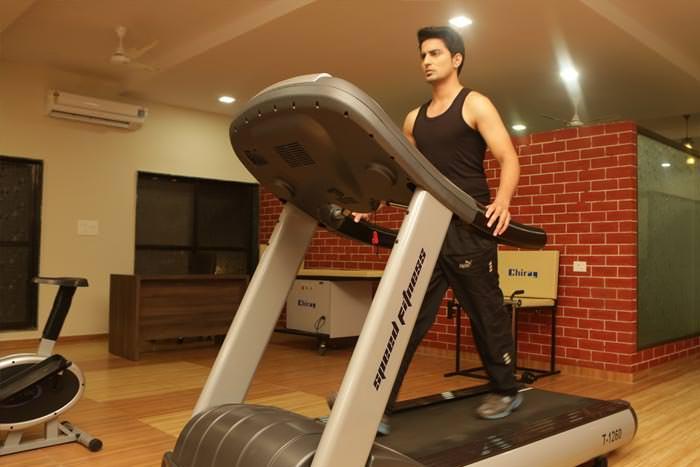
Structured aerobic exercise, progressive resistance training and regular daily movement help improve skeletal muscle glucose uptake, cardiovascular fitness and insulin sensitivity.

Physical activity can improve metabolic function even without substantial weight loss. Clinical trials have demonstrated that individualised diet and exercise programmes may improve menstrual patterns and reproductive function in selected women with PCOS.

03
Yoga, Breathing and Meditation at Nimba

Yoga, Breathing and Meditation

Gentle yoga, comfortable breathing practices and meditation may support psychological wellbeing, relaxation and sleep quality. These interventions may be useful for women experiencing stress, anxiety or reduced quality of life alongside PCOS.

Their role is supportive. They have not been established as treatments that independently correct the underlying hormonal abnormalities of PCOS.

04
04

Behavioural and Lifestyle Management

Personalised behavioural counselling helps establish consistent eating habits, regular physical activity, adequate sleep and realistic long term health goals.

Behavioural strategies such as goal setting, self monitoring, problem solving and structured follow up can improve adherence to lifestyle changes. A randomised clinical trial demonstrated improved menstrual regularity following a behavioural modification programme in women with PCOS and obesity.

05
05

Individualised Hormonal and Metabolic Assessment

Nimba can review menstrual history, weight trajectory, waist circumference, blood pressure, activity patterns, sleep, psychological wellbeing and existing medical investigations.

Where clinically indicated, glucose tolerance, HbA1c, lipid profile and relevant hormonal assessments help identify metabolic and reproductive risks. Progress can be monitored through menstrual cycle records, functional fitness and appropriate metabolic indicators.

Research references

The research behind this plan

Studies selected by Nimba's medical team. They describe research findings, not promises for any one person.

  1. Dunaif et al., 1989 Diabetes, 38(9), 1165 to 1174.

    Insulin Resistance and Metabolic Causes

    This landmark investigation demonstrated significant peripheral insulin resistance in women with PCOS, including women without obesity. The findings established that altered insulin action is an important metabolic feature of PCOS and that obesity can further aggravate glucose regulation abnormalities.

  2. Awoke et al., 2022 Human Reproduction, 37(1), 129 to 141.

    Lifestyle Factors and Weight Gain

    This longitudinal observational study used data collected over 19 years from an Australian cohort of women with and without PCOS. Women with PCOS experienced greater average weight gain, particularly in association with higher energy intake, prolonged sitting and lower physical activity. The findings support addressing modifiable lifestyle contributors to excess weight gain without suggesting that lifestyle alone causes PCOS.

  3. Nybacka et al., 2011 Fertility and Sterility, 96(6), 1508 to 1513.

    Diet and Exercise Based Treatment

    A randomised clinical trial involving 57 overweight or obese women with PCOS compared individualised dietary management, physical exercise and combined interventions over four months. Menstrual patterns improved in 69% of participants, and ovulation was confirmed in 34%. The findings support structured diet and exercise as interventions that may improve reproductive and metabolic function in selected women.

  4. Oberg et al., 2019 Clinical Endocrinology, 90(3), 468 to 478.

    Behavioural Lifestyle Treatment

    A randomised controlled trial involving 68 women with PCOS and obesity evaluated a four month behavioural modification programme against minimal intervention. The intervention group demonstrated significantly greater improvement in menstrual regularity, although ovulation rates did not differ significantly between groups at four months. The findings support structured behavioural lifestyle management as part of PCOS care.

New · Online Lifestyle Consultation

Not ready to travel yet? Start with a doctor online.

Speak to a Nimba doctor by video from home about your health, your reports and whether a stay suits you.

FAQs

Polycystic Ovary Syndrome (PCOS): your questions

Can Nimba cure Polycystic Ovary Syndrome (PCOS)?

No cure is promised. Nimba's doctors plan research based treatments that support your recovery alongside the care you already receive. Any change to your medicines is made only with medical advice.

Do I need to stop my medicines?

No. Bring your regular medicines and recent reports. Your Nimba doctor will review them and coordinate with your own doctor where needed. Never stop a medicine on your own.

How long should I stay?

The minimum stay is five nights. Your doctor suggests the length of stay and the programme after consultation.

Is a stay suitable for me?

A Nimba doctor decides after reviewing your history and reports. Some acute or severe conditions need hospital care first. You can start with the free Health Test, a call with a doctor or an online lifestyle consultation.

Which reports should I bring?

Health reports not older than three months, a list of your medicines, and any recent scans or prescriptions relating to your condition.

Nature cures the best

The choice is clear: Heal(th) first.

Reserve your slot for ₹5,000, adjusted against your stay, or test your healing age and talk it through with a Nimba doctor.

Choose your language

EnglishEnglishગુજરાતીGujaratiहिन्दीHindiमराठीMarathiతెలుగుTeluguಕನ್ನಡKannadaFrançaisFrenchDeutschGerman
WhatsApp us