Step 1
Consultation
A doctor reads your case
Every therapy at Nimba begins with a consultation. The doctor reviews your history, reports and goals before anything is prescribed.
Measured pressure, often with stockings or a pump, used when swelling or vein flow needs support.

Compression therapy uses measured pressure, often with specially designed stockings, a bandage or a pump, to support veins and reduce pooling in the legs. A physiotherapist assesses the limbs first. This is not a general clear out of the body, and it is not safe in every kind of swelling.
In Nimba's words
If you are suffering from leg swelling and discomfort, then compression therapy may help with your ailment. Compression Therapy essentially involves wearing socks or stockings that are specially designed to support your veins and increase circulation in your legs. The compression of the stocking prevents blood from pooling in leg veins, and as a result, it improves circulation and reduces swelling in the legs. At Nimba, you will find expert physiotherapists who can assist you in compression therapy that may relieve any swelling in your legs and ease discomfort as well.
It may be considered for leg swelling or discomfort, after a proper assessment.
Traditionally used to flush out the toxins
May help reduce inflammation
May help reduce water accumulation
May enhance blood circulation
May support recovery
As described by Nimba. Every body responds differently, and no outcome is promised.
Nothing is taken off a menu. A therapy is prescribed, given and reviewed as part of one medical plan.
A doctor reads your case
Every therapy at Nimba begins with a consultation. The doctor reviews your history, reports and goals before anything is prescribed.
Your plan is written
If Compression Therapy suits you, the doctor writes it into your daily plan with the right timing alongside diet, yoga and rest.
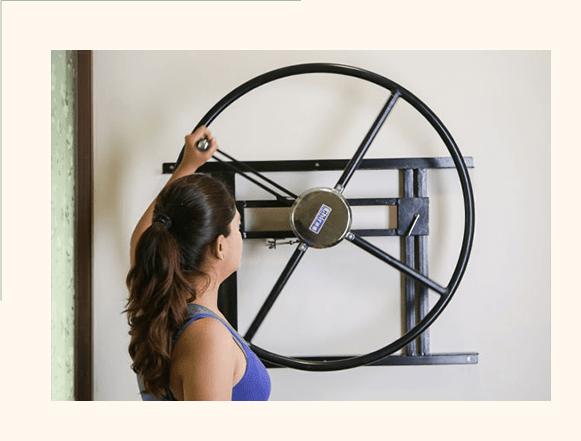
Care from a trained therapist
Compression therapy uses measured pressure, often with specially designed stockings, a bandage or a pump, to support veins and reduce pooling in the legs. A physiotherapist assesses the limbs first. This is not a general clear out of the body, and it is not safe in every kind of swelling.
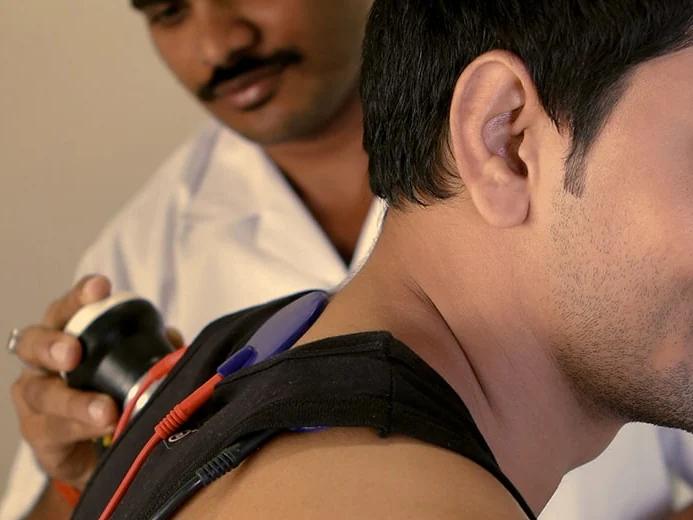
Your doctor follows progress
Your response is reviewed through the stay, and the plan is adjusted from day to day. Care continues with guidance at home after you leave.
Real photographs from the Nimba campus.

The Measured Squeeze
A tight sock is not automatically a treatment. The number on the stocking, and the state of the arteries, matter more than how firm it feels.
Compression can be harmful in some arterial disease, acute clots, untreated heart failure, and some skin infections. A professional should assess the limbs first.
Tell your doctor about any medicines, pregnancy, recent surgery or injury.
The physiotherapy department oversees this therapy.
In their own words, as they shared them with Nimba.
Lifestyle correction upholding the theraupitc values in consonance with the prevailing times is what Nimba Stands for.
 Rajkumar SantoshiGuest at Nimba
I think it’s the best decision that I ever made to visit Nimba. I am feeling healthier than before. Everyone should plan to come every 4 to 5 month and feel relaxed.
 Anurag KashyapGuest at Nimba
Nimba rejuvenation package has set me in top gear to be in action.
 Niranjan IyerGuest at Nimba
Answers prepared for review with Nimba's doctors.
A Nimba doctor decides whether Compression Therapy is suitable for you. Compression can be harmful in some arterial disease, acute clots, untreated heart failure, and some skin infections. A professional should assess the limbs first.
Most people describe Compression Therapy as quiet or mildly unusual, not painful. Tell the team at once if anything hurts or frightens you.
No timeline is promised for Compression Therapy. Some people feel relaxed after one session. Others notice little in the hour itself. A stay is judged over days, after a doctor has seen you, and no outcome is guaranteed.
A Nimba doctor must decide, after hearing about your diabetes, blood pressure and medicines. Compression Therapy is not a treatment for those conditions on its own, and some methods that use heat, fluids or breath need extra care.
Tell the doctor if you are pregnant, or think you might be, before Compression Therapy is planned. Many heat, oil, cleansing, needle or strong stretch methods are unwise in pregnancy unless a doctor agrees.
There is no published age range for Compression Therapy as a standalone rule. Children, older guests and anyone frail need an individual decision. Extra persons under 15 in the same room are billed for food and accommodation only, not treatment, on the January 2026 tariff.
Bring the medicines you take each day and declare them to the CMO on arrival. Do not stop a prescribed medicine unless your own doctor and the Nimba doctor have agreed. Compression Therapy does not replace your medical plan.
Named stays on the January 2026 tariff include therapy, except listed premium extras. Whether it is used in your stay is still a doctor's decision.
The number of sessions is decided after the on campus assessment, and may change from day to day.
Wear clothes that let the physiotherapist reach the area being treated.
Whether garments are provided or fitted on campus still needs confirmation.
Therapies a Nimba doctor may pair with Compression Therapy, or other options within Physiotherapy.
Warmed wax is applied to a joint or a small area, as a physiotherapy heat method, after an assessment.

Prescribed uses of water, heat and cold, beyond a single named wash or pack.
A physiotherapy sound wave treatment applied to a local area, after an assessment.
An electromagnetic heat treatment used by the physiotherapy team, only after an assessment.
A light based heat method used by the physiotherapy team, after an assessment.

Nature cures the best
Reserve your slot for ₹5,000, adjusted against your stay, or test your healing age and talk it through with a Nimba doctor.