Women's Health

Menopausal Symptoms

Midlife hormonal transition

Menopausal Symptoms treatment at Nimba
Category
Women's Health
Research
4 published studies
Approach
Doctor led, no cure claims
What is it?

Understanding menopausal symptoms

Menopause is a natural biological transition marked by the permanent cessation of menstruation following the decline in ovarian reproductive function. Changes in oestrogen levels can affect temperature regulation, sleep, mood, vaginal tissues and bone health.

Hot flushes and night sweats are associated with changes in the brain's temperature regulating mechanisms. Research suggests that symptomatic women may respond to very small changes in core body temperature, producing sudden sensations of heat and sweating.

Excess body weight, tobacco exposure, psychological stress and certain lifestyle patterns have been associated with greater vasomotor symptom burden, although hormonal changes and individual biological sensitivity remain central.

Common signs and symptoms include hot flushes, night sweats, disrupted sleep, mood changes, vaginal dryness, fatigue and reduced concentration. After menopause, declining oestrogen levels also contribute to accelerated bone loss and increased osteoporosis risk.


Nimba evidence based treatment

How Nimba treats menopausal symptoms

Nimba's proposed menopause programme combines therapeutic nutrition, progressive physical activity, strength and balance training, psychological coping strategies and individualised lifestyle assessment. The programme aims to improve sleep, physical functioning, symptom coping and long term bone and metabolic health.

01
01

Therapeutic Dietetics

Individualised nutrition supports adequate protein, calcium and vitamin D intake, together with appropriate dietary fibre and energy balance. These nutrients contribute to muscle maintenance, bone metabolism and overall cardiometabolic health.

Nutritional assessment identifies deficiencies and supports healthy weight management where relevant. No specific naturopathic diet has been established as a reliable treatment for menopausal hot flushes.

02
Physical Activity and Physiotherapy at Nimba

Physical Activity and Physiotherapy

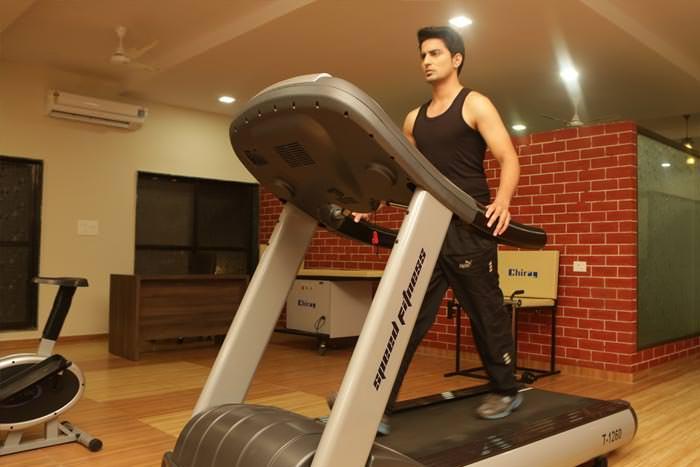
Structured resistance exercise, weight bearing activity and balance training stimulate muscle adaptation and can improve strength, functional performance and bone health.

A randomised trial in carefully screened postmenopausal women with low bone mass demonstrated improvements in bone mineral density and physical functioning following supervised resistance and impact training. Exercise is selected according to fracture risk, baseline fitness and medical suitability.

03
Yoga, Breathing and Meditation at Nimba

Yoga, Breathing and Meditation

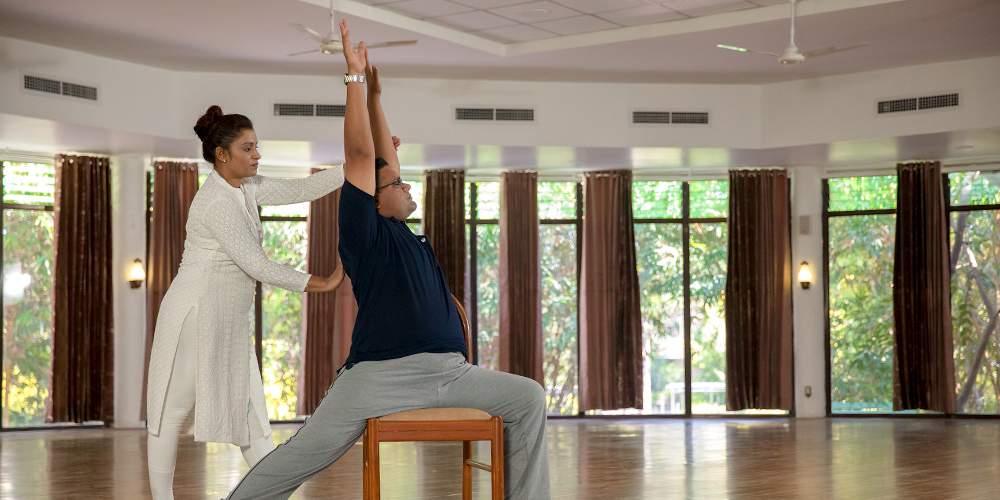
Gentle yoga, relaxation and meditation can support psychological wellbeing, sleep routines and coping with menopausal discomfort.

These practices may reduce perceived stress and improve relaxation, but their effects on hot flush frequency are inconsistent. They are therefore offered as supportive strategies, not as treatments that restore ovarian hormone production.

04
04

Cognitive Behavioural and Stress Management Support

Structured cognitive behavioural strategies can help women manage distress associated with hot flushes and night sweats. Techniques may include identifying unhelpful symptom related thoughts, relaxation, sleep management skills and practical coping responses.

Research has demonstrated that professionally structured cognitive behavioural therapy can reduce how problematic menopausal vasomotor symptoms feel, even when the underlying hormonal transition continues.

05
05

Individualised Menopause and Bone Health Assessment

Nimba can assess symptom frequency, sleep quality, emotional wellbeing, physical activity, dietary adequacy and fracture risk factors.

Progress may be measured using a validated menopause symptom scale, sleep records, functional strength and balance assessments, and clinically indicated bone density investigations.

Research references

The research behind this plan

Studies selected by Nimba's medical team. They describe research findings, not promises for any one person.

  1. Freedman and Krell, 1999

    American Journal of Obstetrics and Gynecology, 181(1), 66 to 70.

    Temperature Regulation Mechanism

    This physiological investigation compared 12 postmenopausal women experiencing hot flushes with eight women without symptoms. The findings demonstrated a narrower temperature regulation range in symptomatic women, helping explain how small changes in body temperature can trigger hot flushes.

  2. Gold et al., 2004

    American Journal of Epidemiology, 159(12), 1189 to 1199.

    Lifestyle Factors and Vasomotor Symptoms

    The Study of Women's Health Across the Nation examined 3,302 women aged 42 to 52 years. Higher body mass index, perceived stress and passive smoke exposure were among factors associated with vasomotor symptoms. The findings support lifestyle assessment while recognising that observational associations do not establish direct causation.

  3. Ayers et al., 2012

    Menopause, 19(7), 749 to 759.

    Cognitive Behavioural Treatment

    The MENOS 2 randomised controlled trial involving 140 women evaluated group and guided self help cognitive behavioural therapy for troublesome hot flushes and night sweats. Both approaches reduced the perceived impact of symptoms compared with usual care, supporting structured psychological coping interventions.

  4. Watson et al., 2018

    Journal of Bone and Mineral Research, 33(2), 211 to 220.

    Resistance Exercise and Bone Health

    The LIFTMOR randomised controlled trial involved 101 postmenopausal women with low bone mass. An eight month, closely supervised resistance and impact training programme improved selected measures of bone mineral density and physical function compared with low intensity exercise. The findings support appropriately prescribed exercise for postmenopausal musculoskeletal health.

New · Online Lifestyle Consultation

Not ready to travel yet? Start with a doctor online.

Speak to a Nimba doctor by video from home about your health, your reports and whether a stay suits you.

FAQs

Menopausal Symptoms: your questions

Can Nimba cure menopausal symptoms?

No cure is promised. Nimba's doctors plan research based treatments that support your recovery alongside the care you already receive. Any change to your medicines is made only with medical advice.

Do I need to stop my medicines?

No. Bring your regular medicines and recent reports. Your Nimba doctor will review them and coordinate with your own doctor where needed. Never stop a medicine on your own.

How long should I stay?

The minimum stay is five nights. Your doctor suggests the length of stay and the programme after consultation.

Is a stay suitable for me?

A Nimba doctor decides after reviewing your history and reports. Some acute or severe conditions need hospital care first. You can start with the free Health Test, a call with a doctor or an online lifestyle consultation.

Which reports should I bring?

Health reports not older than three months, a list of your medicines, and any recent scans or prescriptions relating to your condition.

Nature cures the best

The choice is clear: Heal(th) first.

Reserve your slot for ₹5,000, adjusted against your stay, or test your healing age and talk it through with a Nimba doctor.

Choose your language

EnglishEnglishગુજરાતીGujaratiहिन्दीHindiमराठीMarathiతెలుగుTeluguಕನ್ನಡKannadaFrançaisFrenchDeutschGerman
WhatsApp us