Step 1
Consultation
A doctor reads your case
Every therapy at Nimba begins with a consultation. The doctor reviews your history, reports and goals before anything is prescribed.
An electromagnetic heat treatment used by the physiotherapy team, only after an assessment.
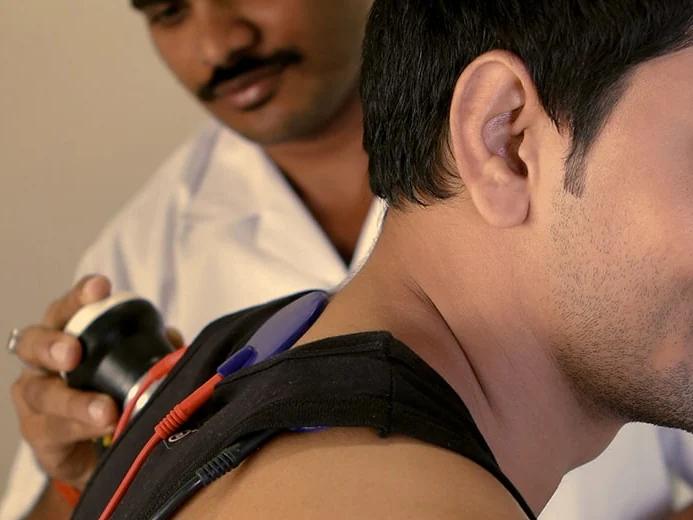
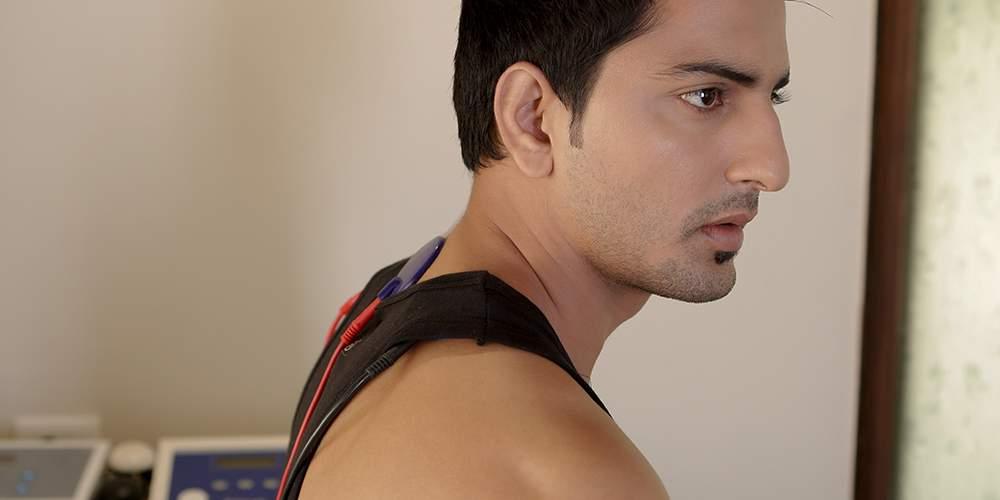
Short wave diathermy uses electromagnetic energy to produce deep heat in joints and soft tissues. It can reach deeper structures than some surface heat methods. A physiotherapist sets the machine after an assessment.
In Nimba's words
Short Wave Diathermy (SWD) is a treatment that uses electromagnetic energy to produce deep heat in joints and soft tissues. The difference between Short Wave Diathermy and other forms of heat treatment is that SWD can be applied to deeper structures, effectively relieving the patients from joint pain. At Nimba, Short Wave Diathermy is performed on arthritic patients who wish to improve their soft tissue healing, for Nimba’s SWD therapy may decrease the symptoms of osteoarthritis.
It may be considered for joint or muscle pain. It is not a cure.
Traditionally used for arthritis
May help decrease muscle spasms
Traditionally used for sprains and strains
May help relieve back pain
As described by Nimba. Every body responds differently, and no outcome is promised.
Nothing is taken off a menu. A therapy is prescribed, given and reviewed as part of one medical plan.
A doctor reads your case
Every therapy at Nimba begins with a consultation. The doctor reviews your history, reports and goals before anything is prescribed.
Your plan is written
If Short Wave Diathermy suits you, the doctor writes it into your daily plan with the right timing alongside diet, yoga and rest.
Care from a trained therapist
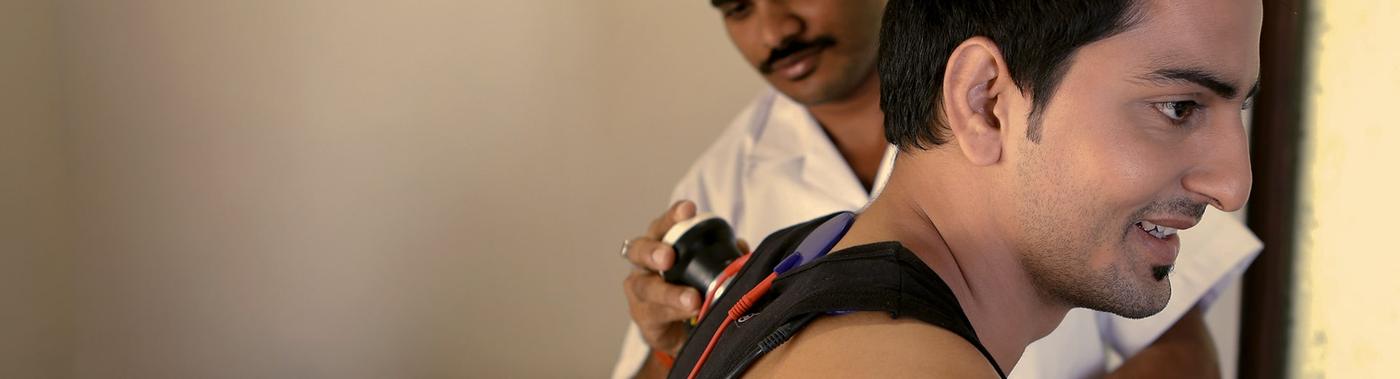
Short wave diathermy uses electromagnetic energy to produce deep heat in joints and soft tissues. It can reach deeper structures than some surface heat methods. A physiotherapist sets the machine after an assessment.
Your doctor follows progress
Your response is reviewed through the stay, and the plan is adjusted from day to day. Care continues with guidance at home after you leave.
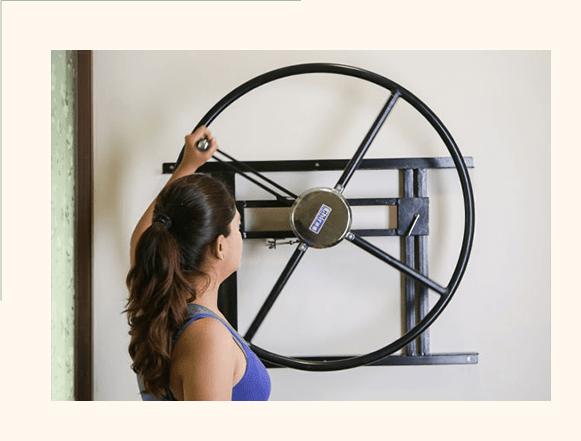
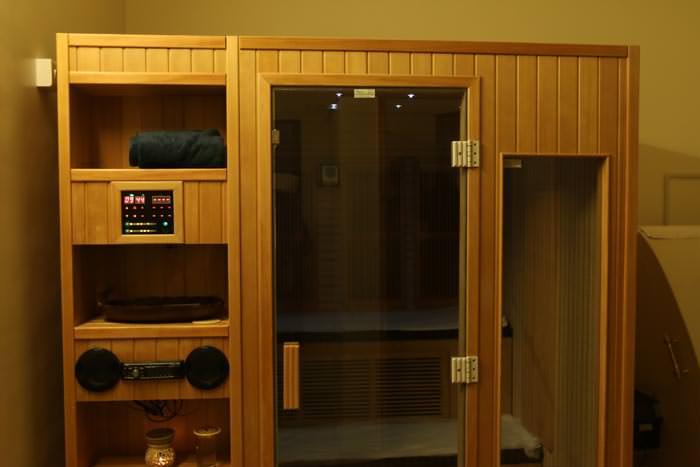
Real photographs from the Nimba campus.
The Deep Heat
If you have metal in a joint, or an implanted device, say so before the machine is switched on. The first safety check is not the setting. It is what you are carrying in the body.
Diathermy is unsafe over some metal implants, pacemakers, and in pregnancy, and should not be used over anaesthetic skin, malignancy, or acute infection unless a specialist plan says otherwise. Tell the team about implants and devices.
Tell your doctor about any medicines, pregnancy, recent surgery or injury.
The physiotherapy department oversees this therapy, led by Dr Sheetal K Olakiya and Dr Mahek Meman, titles to confirm.
In their own words, as they shared them with Nimba.
Doctors and Therapist are fantastic and friendly, an excellent experience.
 Deepak AsherGuest at Nimba
Take a break at Nimba through excellent services provided by dynamic doctors and therapists, loving and caring staff!
 Curry GlasselGuest at Nimba
I am happily here at Nimba before it becomes by force.
 JD MajethiaGuest at Nimba
Answers prepared for review with Nimba's doctors.
A Nimba doctor decides whether Short Wave Diathermy is suitable for you. Diathermy is unsafe over some metal implants, pacemakers, and in pregnancy, and should not be used over anaesthetic skin, malignancy, or acute infection unless a specialist plan says otherwise. Tell the team about implants and devices.
You should feel warmth or a mild sensation, not burning or sharp pain. Say so at once if the heat is too much.
No timeline is promised for Short Wave Diathermy. Some people feel relaxed after one session. Others notice little in the hour itself. A stay is judged over days, after a doctor has seen you, and no outcome is guaranteed.
A Nimba doctor must decide, after hearing about your diabetes, blood pressure and medicines. Short Wave Diathermy is not a treatment for those conditions on its own, and some methods that use heat, fluids or breath need extra care.
Tell the doctor if you are pregnant, or think you might be, before Short Wave Diathermy is planned. Many heat, oil, cleansing, needle or strong stretch methods are unwise in pregnancy unless a doctor agrees.
There is no published age range for Short Wave Diathermy as a standalone rule. Children, older guests and anyone frail need an individual decision. Extra persons under 15 in the same room are billed for food and accommodation only, not treatment, on the January 2026 tariff.
Bring the medicines you take each day and declare them to the CMO on arrival. Do not stop a prescribed medicine unless your own doctor and the Nimba doctor have agreed. Short Wave Diathermy does not replace your medical plan.
Named stays on the January 2026 tariff include therapy, except listed premium extras. Whether it is used in your stay is still a doctor's decision.
The number of sessions is decided after the on campus assessment, and may change from day to day.
Wear clothes that let the physiotherapist reach the area being treated.
No. They are two different physiotherapy methods. One uses short wave electromagnetic energy, the other uses infrared light.
Therapies a Nimba doctor may pair with Short Wave Diathermy, or other options within Physiotherapy.
Warmed wax is applied to a joint or a small area, as a physiotherapy heat method, after an assessment.
A physiotherapy sound wave treatment applied to a local area, after an assessment.
A light based heat method used by the physiotherapy team, after an assessment.
Measured pressure, often with stockings or a pump, used when swelling or vein flow needs support.

Nature cures the best
Reserve your slot for ₹5,000, adjusted against your stay, or test your healing age and talk it through with a Nimba doctor.