Psychological and Behavioural Health

Depression

Emotional recovery and psychological health

Depression treatment at Nimba
Category
Psychological and Behavioural Health
Research
4 published studies
Approach
Doctor led, no cure claims
What is it?

Understanding depression

Depression is a mental health condition characterised by persistent low mood, loss of interest or pleasure, reduced energy and difficulties with everyday functioning. It affects emotional wellbeing, thinking, sleep, appetite, motivation and social relationships.

Depression develops through a complex interaction of biological vulnerability, psychological experiences and social circumstances. Genetic susceptibility, previous depressive episodes, stressful life events and certain physical illnesses can increase the likelihood of developing the condition.

Lifestyle related factors such as prolonged sleep disturbance, physical inactivity, social isolation and persistent unmanaged stress may contribute to depressive symptoms or make recovery more difficult. These factors are not the sole causes of depression, and the condition should never be interpreted as a lack of willpower or personal discipline.

Common signs and symptoms include persistent sadness, loss of enjoyment, fatigue, poor concentration, sleep or appetite changes, hopelessness, feelings of worthlessness and withdrawal from usual activities. Thoughts of self harm or suicide require immediate professional assessment and appropriate emergency support.

Nimba evidence based treatment

How Nimba treats depression

At Nimba, depression care combines qualified psychological assessment, evidence based behavioural interventions, therapeutic physical activity, sleep regulation and supportive lifestyle management.

The approach aims to reduce depressive symptoms, improve everyday functioning and strengthen recovery while ensuring that patients receive appropriate psychiatric or psychological treatment when indicated.

01
01

Psychological Assessment and Risk Screening

The programme begins with a structured assessment of mood, sleep, motivation, functioning, medical history and existing treatments. Validated measures such as the Patient Health Questionnaire 9 (PHQ 9) can help quantify symptom severity and track change.

Mechanism of Action: Structured assessment identifies symptom burden, functional impairment and potential risk factors. Clinical evaluation also helps distinguish depression from conditions such as bipolar disorder, medication related symptoms and physical illnesses that can present with low mood.

02
02

Behavioural Activation Treatment

Working with a qualified mental health professional, patients develop a schedule of manageable, purposeful activities. The plan may include self care, enjoyable tasks, social engagement and progressively achievable personal goals.

Mechanism of Action: Depression can create a cycle in which low motivation leads to inactivity, reduced positive experiences and further withdrawal. Behavioural activation targets this cycle by helping patients re engage with meaningful activities and regain opportunities for positive reinforcement.

03
03

Therapeutic Physical Activity

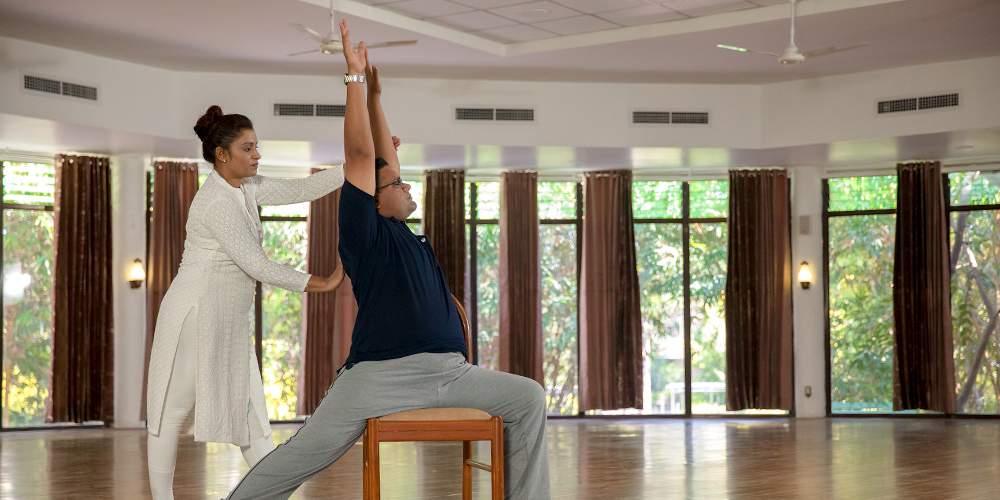
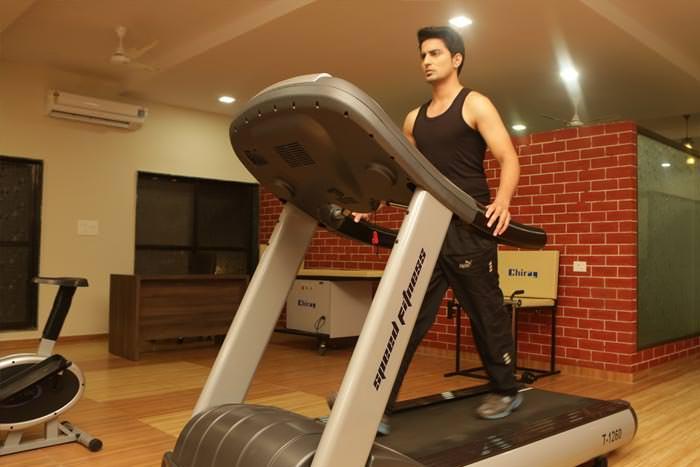
Nimba develops an individualised movement programme using walking, aerobic exercise and suitable strengthening activities. Intensity is adjusted to the patient's health, energy and ability.

Mechanism of Action: Regular exercise may improve depressive symptoms through interacting physiological and psychological pathways, including improved fitness, sleep and perceived self efficacy. Randomised trials support exercise as a treatment option for selected patients, particularly as part of a wider care plan.

04
04

Cognitive and Emotional Skills Training

Patients may receive or be referred for structured cognitive behavioural therapy (CBT) delivered by an appropriately trained mental health professional.

Mechanism of Action: CBT helps patients recognise and modify unhelpful patterns of thinking and behaviour that can maintain depressive symptoms. It also develops practical coping, problem solving and relapse prevention skills.

05
05

Sleep and Circadian Rhythm Regulation

The programme encourages consistent sleep and waking times, appropriate daytime activity and evidence informed sleep habits. Persistent insomnia may require specific clinical assessment and treatment.

Mechanism of Action: Sleep and mood influence one another. Improving sleep regularity may reduce an important contributor to emotional distress and support recovery, although sleep hygiene alone is not a sufficient treatment for major depression.

06
Yoga, Meditation and Stress Regulation at Nimba

Yoga, Meditation and Stress Regulation

Gentle yoga, guided breathing, relaxation and appropriately selected mindfulness practices may be introduced as supportive activities.

Mechanism of Action: These practices may improve perceived stress, emotional awareness and psychological wellbeing. Their effects vary, and they should be used as adjuncts rather than substitutes for indicated psychotherapy, medication or specialist care.

07
07

Nutritional and Social Wellbeing Support

Nimba provides nutritional assessment and counselling for patients experiencing poor appetite, irregular eating or nutritional inadequacy. The care plan also encourages safe social participation and supportive relationships.

Mechanism of Action: Adequate nutrition supports physical health and daily functioning, while social connection can reduce isolation and create opportunities for meaningful engagement. These measures complement depression treatment but are not independently established cures.

08
08

Clinical Coordination and Recovery Monitoring

The treating team monitors symptom severity, daily functioning, sleep and treatment adherence. Patients already receiving antidepressants or psychiatric care continue treatment according to their prescribing clinician's guidance.

Mechanism of Action: Measurement based follow up helps identify improvement, inadequate response or worsening symptoms. Coordinated care enables timely adjustment of psychotherapy or medication and supports relapse prevention.

09
09

Nimba's Treatment Objective

To support measurable recovery from depression through evidence based psychological interventions, purposeful activity, physical exercise, restorative routines and compassionate clinical care, helping patients regain emotional wellbeing, confidence and everyday functioning.

Research references

The research behind this plan

Studies selected by Nimba's medical team. They describe research findings, not promises for any one person.

  1. Kendler KS, Kessler RC, Walters EE, et al. (1995).

    “Stressful life events, genetic liability, and onset of an episode of major depression in women.”

    The American Journal of Psychiatry. 152(6):833 to 842.

    Research Finding: This population based twin study demonstrated that stressful life events and genetic vulnerability jointly influence the risk of major depression. It supports understanding depression as a condition arising from interacting biological and environmental factors.

  2. Ford DE, Kamerow DB. (1989).

    “Epidemiologic study of sleep disturbances and psychiatric disorders. An opportunity for prevention?”

    JAMA. 262(11):1479 to 1484.

    Research Finding: This longitudinal investigation found a strong association between persistent sleep disturbance and subsequent major depression. The results support identifying and addressing sleep problems as part of comprehensive mental healthcare, although the study does not prove that sleep treatment alone prevents depression.

  3. Dimidjian S, Hollon SD, Dobson KS, et al. (2006).

    “Randomized trial of behavioral activation, cognitive therapy, and antidepressant medication in the acute treatment of adults with major depression.”

    Journal of Consulting and Clinical Psychology. 74(4):658 to 670.

    Research Finding: This randomised trial involving 241 adults demonstrated the effectiveness of structured behavioural activation for major depression. Among participants with more severe symptoms, behavioural activation performed comparably to antidepressant medication within the study, supporting its role as an established psychological intervention.

  4. Blumenthal JA, Babyak MA, Doraiswamy PM, et al. (2007).

    “Exercise and pharmacotherapy in the treatment of major depressive disorder.”

    Psychosomatic Medicine. 69(7):587 to 596.

    Research Finding: In this randomised trial, 202 adults with major depression were assigned to supervised exercise, home based exercise, antidepressant medication or placebo for 16 weeks. The findings support structured exercise as a potentially beneficial treatment component for selected patients with depression.

New · Online Lifestyle Consultation

Not ready to travel yet? Start with a doctor online.

Speak to a Nimba doctor by video from home about your health, your reports and whether a stay suits you.

FAQs

Depression: your questions

Can Nimba cure depression?

No cure is promised. Nimba's doctors plan research based treatments that support your recovery alongside the care you already receive. Any change to your medicines is made only with medical advice.

Do I need to stop my medicines?

No. Bring your regular medicines and recent reports. Your Nimba doctor will review them and coordinate with your own doctor where needed. Never stop a medicine on your own.

How long should I stay?

The minimum stay is five nights. Your doctor suggests the length of stay and the programme after consultation.

Is a stay suitable for me?

A Nimba doctor decides after reviewing your history and reports. Some acute or severe conditions need hospital care first. You can start with the free Health Test, a call with a doctor or an online lifestyle consultation.

Which reports should I bring?

Health reports not older than three months, a list of your medicines, and any recent scans or prescriptions relating to your condition.

Nature cures the best

The choice is clear: Heal(th) first.

Reserve your slot for ₹5,000, adjusted against your stay, or test your healing age and talk it through with a Nimba doctor.

Choose your language

EnglishEnglishગુજરાતીGujaratiहिन्दीHindiमराठीMarathiతెలుగుTeluguಕನ್ನಡKannadaFrançaisFrenchDeutschGerman
WhatsApp us