Psychological and Behavioural Health

ADHD

Attention, behaviour and executive function support

ADHD treatment at Nimba
Category
Psychological and Behavioural Health
Research
4 published studies
Approach
Doctor led, no cure claims
What is it?

Understanding ADHD

Attention deficit/hyperactivity disorder (ADHD) is a neurodevelopmental condition characterised by persistent difficulties with attention regulation, impulsivity and, in some individuals, excessive activity or restlessness. Symptoms usually begin during childhood and may continue into adulthood.

Research demonstrates that ADHD has a strong genetic and neurodevelopmental component, with differences observed in brain systems involved in attention, planning, inhibitory control and behavioural regulation. ADHD is not caused simply by poor discipline, excessive screen use or inadequate parenting.

Lifestyle related factors such as insufficient sleep, irregular routines, high levels of distraction and poorly structured learning or working environments can worsen day to day difficulties. These are important targets for supportive care, although correcting them does not eliminate the underlying neurodevelopmental condition.

Common signs and symptoms include forgetfulness, difficulty sustaining attention, disorganisation, frequent task switching, impulsive decisions, restlessness and difficulty completing responsibilities. Diagnosis requires specialist evaluation of symptom history and impairment across settings, because anxiety, sleep disorders and other conditions may produce similar difficulties.

Nimba evidence based treatment

How Nimba treats ADHD

At Nimba, ADHD support integrates qualified clinical assessment, behavioural skills training, structured physical activity, attention supporting routines, family education and personalised lifestyle management.

The programme aims to improve attention management, organisation and everyday functioning while coordinating specialist psychological, educational and medical treatment when indicated.

01
01

Neurobehavioural Assessment

Assessment begins with a review of developmental history, attention difficulties, impulsivity, learning or work performance, sleep and associated emotional symptoms. Age appropriate rating scales and reports from relevant settings may support the evaluation.

Mechanism of Action: Understanding the individual's pattern of strengths and difficulties helps identify suitable interventions. Rating scales and attention tasks can measure aspects of functioning, but they do not independently establish an ADHD diagnosis.

02
02

Executive Function Skills Training

Patients receive practical training in task organisation, prioritisation, time management, reminders and step by step planning. For adults, this may form part of structured ADHD focused cognitive behavioural therapy delivered by a qualified professional.

Mechanism of Action: External planning systems and repeated behavioural practice help compensate for difficulties in working memory, organisation and self regulation. Clinical trials support ADHD focused CBT for improving persistent symptoms in appropriately selected adults.

03
03

Structured Physical Activity

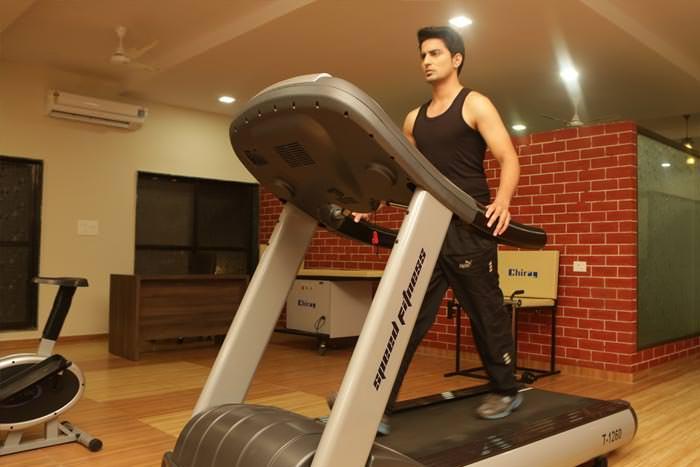
Nimba introduces age appropriate aerobic activity, balance exercises, coordination tasks and recreational sports according to the individual's abilities.

Mechanism of Action: Physical activity may improve aspects of executive functioning, working memory and motor performance. Small controlled trials in children with ADHD have demonstrated benefits from structured exercise programmes, supporting their use as complementary interventions.

04
04

Attention Supportive Environmental Design

The programme teaches practical adjustments such as reducing unnecessary distractions, using visual schedules, dividing large tasks into manageable steps and incorporating planned movement breaks.

Mechanism of Action: Environmental modifications reduce competing demands on attention and make task expectations clearer. They can improve participation in learning, work and daily activities without claiming to correct the underlying neurodevelopmental condition.

05
05

Behavioural and Family Support

For children and adolescents, Nimba can coordinate age appropriate parent training and behavioural support programmes with qualified professionals. Families receive guidance on clear instructions, consistent routines and positive reinforcement.

Mechanism of Action: Structured behavioural strategies improve the consistency of expectations and reinforce desirable behaviours. Parent focused interventions are particularly relevant to younger children, while older individuals may benefit from more direct organisational and coping skills training.

06
06

Sleep and Daily Routine Regulation

The programme supports consistent sleep and waking times, balanced activity scheduling and identification of habits that interfere with rest.

Mechanism of Action: Sleep disturbance can worsen concentration, irritability and impulse control. Addressing sleep problems may improve day to day functioning, although sleep regulation alone does not treat the underlying cause of ADHD.

07
Nutrition and General Wellbeing at Nimba

Nutrition and General Wellbeing

Nimba provides individualised dietary assessment to support regular meals and adequate nutritional intake. Restrictive diets are avoided unless a separate, clinically established indication exists.

Mechanism of Action: Balanced nutrition supports general health, growth and cognitive functioning. However, there is insufficient evidence to recommend routine elimination of food additives or broad restrictive diets as established ADHD treatments.

08
Yoga, Mindfulness and Self Regulation Support at Nimba

Yoga, Mindfulness and Self Regulation Support

Gentle yoga, breathing exercises and carefully selected attention awareness practices may be offered according to age, interest and tolerance.

Mechanism of Action: These practices may support relaxation, body awareness and stress management. Evidence remains insufficient to claim that general yoga or meditation programmes independently treat the core symptoms of ADHD.

09
09

Clinical Coordination and Progress Monitoring

Progress is monitored through attention related functioning, task completion, organisational skills, school or work participation and validated symptom measures. Medication decisions remain with an appropriately qualified prescribing clinician.

Mechanism of Action: Repeated assessment helps determine whether supportive interventions provide meaningful benefit. Coordinated care ensures that evidence based psychological, educational and pharmacological options remain available when indicated.

10
10

Nimba's Treatment Objective

To help individuals with ADHD develop practical attention management skills, improve organisation and daily functioning, and strengthen physical and emotional wellbeing through structured behavioural and lifestyle support integrated with specialist care.

Research references

The research behind this plan

Studies selected by Nimba's medical team. They describe research findings, not promises for any one person.

  1. Levy F, Hay DA, McStephen M, Wood C, Waldman I. (1997).

    “Attention deficit hyperactivity disorder: a category or a continuum? Genetic analysis of a large scale twin study.”

    Journal of the American Academy of Child & Adolescent Psychiatry. 36(6):737 to 744.

    Research Finding: This large twin study identified substantial genetic contributions to ADHD related behaviours. The findings support ADHD's neurodevelopmental and hereditary basis rather than explanations based solely on lifestyle or parenting.

  2. Shaw P, Eckstrand K, Sharp W, et al. (2007).

    “Attention deficit/hyperactivity disorder is characterized by a delay in cortical maturation.”

    Proceedings of the National Academy of Sciences of the United States of America. 104(49):19649 to 19654.

    Research Finding: This longitudinal neuroimaging investigation found differences in the timing of cortical maturation among children with ADHD. The results provide evidence for developmental differences in brain systems relevant to attention and behavioural control.

  3. Safren SA, Sprich S, Mimiaga MJ, et al. (2010).

    “Cognitive behavioral therapy vs relaxation with educational support for medication treated adults with ADHD and persistent symptoms: a randomized controlled trial.”

    JAMA. 304(8):875 to 880.

    Research Finding: In a randomised trial involving 86 adults receiving ADHD medication, structured CBT improved ADHD symptoms more than relaxation with educational support. The results support targeted behavioural skills treatment for adults with persistent difficulties.

  4. Ziereis S, Jansen P. (2015).

    “Effects of physical activity on executive function and motor performance in children with ADHD.”

    Research in Developmental Disabilities. 38:181 to 191.

    Research Finding: In a controlled study of 43 children with ADHD, two different 12 week physical activity programmes improved selected measures of working memory and motor performance compared with a waiting list group. The findings support physical activity as a promising complementary intervention, although the study was small.

New · Online Lifestyle Consultation

Not ready to travel yet? Start with a doctor online.

Speak to a Nimba doctor by video from home about your health, your reports and whether a stay suits you.

FAQs

ADHD: your questions

Can Nimba cure ADHD?

No cure is promised. Nimba's doctors plan research based treatments that support your recovery alongside the care you already receive. Any change to your medicines is made only with medical advice.

Do I need to stop my medicines?

No. Bring your regular medicines and recent reports. Your Nimba doctor will review them and coordinate with your own doctor where needed. Never stop a medicine on your own.

How long should I stay?

The minimum stay is five nights. Your doctor suggests the length of stay and the programme after consultation.

Is a stay suitable for me?

A Nimba doctor decides after reviewing your history and reports. Some acute or severe conditions need hospital care first. You can start with the free Health Test, a call with a doctor or an online lifestyle consultation.

Which reports should I bring?

Health reports not older than three months, a list of your medicines, and any recent scans or prescriptions relating to your condition.

Nature cures the best

The choice is clear: Heal(th) first.

Reserve your slot for ₹5,000, adjusted against your stay, or test your healing age and talk it through with a Nimba doctor.

Choose your language

EnglishEnglishગુજરાતીGujaratiहिन्दीHindiमराठीMarathiతెలుగుTeluguಕನ್ನಡKannadaFrançaisFrenchDeutschGerman
WhatsApp us