Neurological and Neurofunctional Support

Migraine

Neurological headache management

Migraine treatment at Nimba
Category
Neurological and Neurofunctional Support
Research
4 published studies
Approach
Doctor led, no cure claims
What is it?

Understanding migraine

Migraine is a recurrent neurological disorder involving altered sensory processing and activation of pain pathways in the brain. It is influenced by genetic and biological susceptibility and cannot be explained by lifestyle factors alone.

In susceptible individuals, psychological stress, disturbed sleep patterns, hormonal fluctuations and changes in daily routines may be associated with migraine attacks. These factors vary between individuals, and some apparent triggers may actually be early symptoms of an approaching attack.

Migraine commonly causes moderate to severe, often throbbing headache, sometimes affecting one side of the head. Associated symptoms may include nausea, vomiting and increased sensitivity to light, sound or smell.

Some people experience visual or sensory disturbances known as aura. Repeated attacks can interfere with concentration, work, sleep and daily functioning, particularly when headaches become frequent.

Nimba evidence based treatment

How Nimba treats migraine

Nimba's proposed migraine programme focuses on identifying individual attack patterns, improving lifestyle consistency, supporting nervous system regulation and reducing headache related disability through supervised non pharmacological care.

01
01

Personalized Migraine and Lifestyle Assessment

A structured headache diary records attack frequency, duration, associated symptoms, medication use, sleep patterns and possible triggers. Reviewing these patterns helps distinguish consistent individual associations from coincidental exposures and supports a more targeted management plan.

02
02

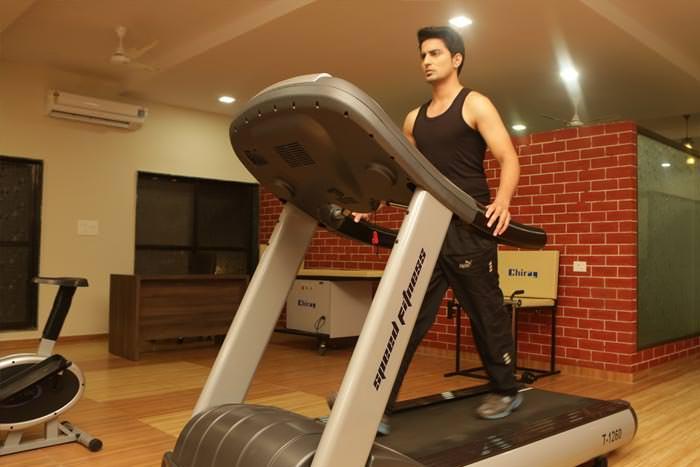
Supervised Aerobic Exercise

Regular, moderate intensity activity, introduced gradually according to tolerance, may help reduce migraine attack frequency in some individuals. Potential mechanisms include improved physical conditioning, modulation of pain processing pathways, better stress regulation and improved sleep. Exercise is adapted for those whose headaches are aggravated by exertion.

03
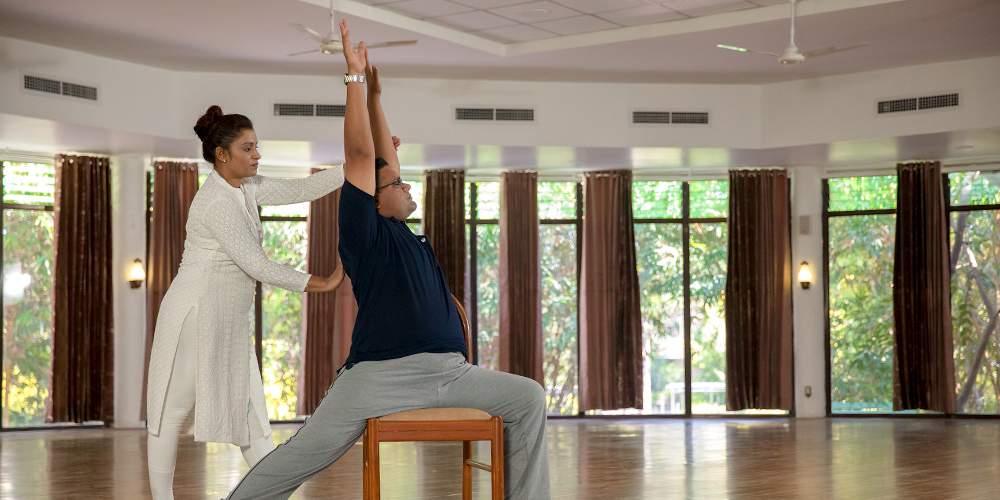
Mindfulness and Relaxation Training at Nimba

Mindfulness and Relaxation Training

Guided mindfulness, breathing practices and relaxation exercises may reduce pain related distress and improve coping. These approaches act partly by changing attention, emotional responses and the interpretation of pain signals. Evidence is stronger for improvements in disability and quality of life than for a specific reduction in migraine frequency.

04
04

Sleep and Circadian Rhythm Regulation

A consistent sleep wake schedule, appropriate sleep duration and management of sleep disturbances may help stabilize daily routines associated with migraine susceptibility. Sleep assessment is individualized because not every type of sleep disturbance predicts an attack.

05
Nutrition and Hydration Guidance at Nimba

Nutrition and Hydration Guidance

Regular meals, adequate hydration and balanced nutrition can support general wellbeing and help identify genuine dietary triggers where they exist. Unnecessary food restrictions, prolonged fasting and unsupported “detoxification” practices are avoided.

Research references

The research behind this plan

Studies selected by Nimba's medical team. They describe research findings, not promises for any one person.

  1. Wöber C, et al. (2007). “Prospective Analysis of Factors Related to Migraine Attacks: The PAMINA Study.” Cephalalgia, 27(4), 304 to 314.

    This prospective diary study examined factors associated with migraine attacks across more than 28,000 patient days. Hormonal changes and several stress related or sensory factors showed associations with attack occurrence, supporting individualized assessment of potential triggers.

  2. Bertisch SM, et al. (2020). “Nightly Sleep Duration, Fragmentation, and Quality and Daily Risk of Migraine.” Neurology, 94(5), e489 e496.

    In a six week prospective study of 98 adults with episodic migraine, diary reported poor sleep efficiency was associated with increased subsequent headache risk. Short sleep duration alone was not consistently associated with attacks, emphasizing the need for a nuanced sleep assessment.

  3. Varkey E, et al. (2011). “Exercise as Migraine Prophylaxis: A Randomized Study Using Relaxation and Topiramate as Controls.” Cephalalgia, 31(14), 1428 to 1438.

    This randomized study compared aerobic exercise, relaxation training and a standard preventive medication. Attack frequency decreased in all three groups, with no statistically significant difference between them. The results support exercise as a possible preventive option for selected patients.

  4. Wells RE, et al. (2021). “Effectiveness of Mindfulness Meditation vs Headache Education for Adults With Migraine: A Randomized Clinical Trial.” JAMA Internal Medicine, 181(3), 317 to 328.

    Among 89 adults, mindfulness based stress reduction did not reduce migraine frequency more than headache education. It did, however, improve several measures of disability, quality of life and pain related coping, supporting its role in comprehensive migraine management.

New · Online Lifestyle Consultation

Not ready to travel yet? Start with a doctor online.

Speak to a Nimba doctor by video from home about your health, your reports and whether a stay suits you.

More in this category

Neurological and Neurofunctional Support

FAQs

Migraine: your questions

Can Nimba cure migraine?

No cure is promised. Nimba's doctors plan research based treatments that support your recovery alongside the care you already receive. Any change to your medicines is made only with medical advice.

Do I need to stop my medicines?

No. Bring your regular medicines and recent reports. Your Nimba doctor will review them and coordinate with your own doctor where needed. Never stop a medicine on your own.

How long should I stay?

The minimum stay is five nights. Your doctor suggests the length of stay and the programme after consultation.

Is a stay suitable for me?

A Nimba doctor decides after reviewing your history and reports. Some acute or severe conditions need hospital care first. You can start with the free Health Test, a call with a doctor or an online lifestyle consultation.

Which reports should I bring?

Health reports not older than three months, a list of your medicines, and any recent scans or prescriptions relating to your condition.

Nature cures the best

The choice is clear: Heal(th) first.

Reserve your slot for ₹5,000, adjusted against your stay, or test your healing age and talk it through with a Nimba doctor.

Choose your language

EnglishEnglishગુજરાતીGujaratiहिन्दीHindiमराठीMarathiతెలుగుTeluguಕನ್ನಡKannadaFrançaisFrenchDeutschGerman
WhatsApp us