
01
Red flag and functional assessment
Review pain behaviour, neurological signs, previous episodes, work demands, and a validated disability scale.
Mechanism of Action: Identifies people needing diagnostic referral and documents baseline function.
Back strength, mobility and recurrence prevention
Low back pain is discomfort between the lower ribs and buttocks; most episodes are nonspecific rather than caused by one identifiable damaged structure.
Past pain, physically demanding tasks, poor sleep, deconditioning, stress, and fear of movement may influence persistence or recurrence, without any one cause applying to everyone.
Pain may present as aching, stiffness, reduced activity, or difficulty bending; imaging findings do not always explain symptoms.
New bladder/bowel dysfunction, saddle numbness, severe progressive weakness, fever, trauma, or other red flags require medical assessment.
Build movement confidence before discomfort limits daily life.
These four modules support posture related discomfort, lower back function, neck function, and strength/flexibility. "Ortho Spine Detox" describes a movement and rehabilitation programme, not removal of spinal toxins or guaranteed correction of disc degeneration.
Review pain behaviour, neurological signs, previous episodes, work demands, and a validated disability scale.
Mechanism of Action: Identifies people needing diagnostic referral and documents baseline function.
Explain that safe movement is generally beneficial and gradual return to meaningful activities is often possible.
Mechanism of Action: Reduces fear avoidance and unnecessary inactivity that can reinforce disability.
Use graded trunk, hip, and whole body exercise according to preference and tolerance.
Mechanism of Action: Builds strength, load tolerance, and confidence in movement.
Offer modified poses or gentle sequences when safe and acceptable.
Mechanism of Action: Combines movement exposure, strength, flexibility, and attention to symptoms; effects vary by person.
Practise realistic activity progression, sleep optimisation, and strategies for flare ups.
Mechanism of Action: Reduces disability by improving coping and maintaining participation despite fluctuating symptoms.
Studies selected by Nimba's medical team. They describe research findings, not promises for any one person.
“Long term effectiveness of an educational and physical intervention for preventing low back pain recurrence: a randomized controlled trial.” Scandinavian Journal of Work, Environment & Health.
PubMed, PMID: 27779639
Research Finding: Improved endurance and fear avoidance; the trial did not demonstrate reduced recurrence, illustrating limits of the evidence.
“Group cognitive behavioural treatment for low back pain in primary care: a randomised controlled trial and cost effectiveness analysis.” The Lancet.
PubMed, PMID: 20189241
Research Finding: Behavioural skills for pain related function.
“Yoga, Physical Therapy, or Education for Chronic Low Back Pain: A Randomized Noninferiority Trial.” Annals of Internal Medicine.
PubMed, PMID: 28631003
Research Finding: Yoga and physiotherapy for chronic nonspecific back pain.
“A randomized trial comparing yoga, stretching, and a self care book for chronic low back pain.” Archives of Internal Medicine.
PubMed, PMID: 22025101
Research Finding: Active self management and exercise comparisons.
New · Online Lifestyle Consultation
Speak to a Nimba doctor by video from home about your health, your reports and whether a stay suits you.
From the reservation form to care at home, the six steps of the Nimba Healing Cycle are shown once, on our home page.
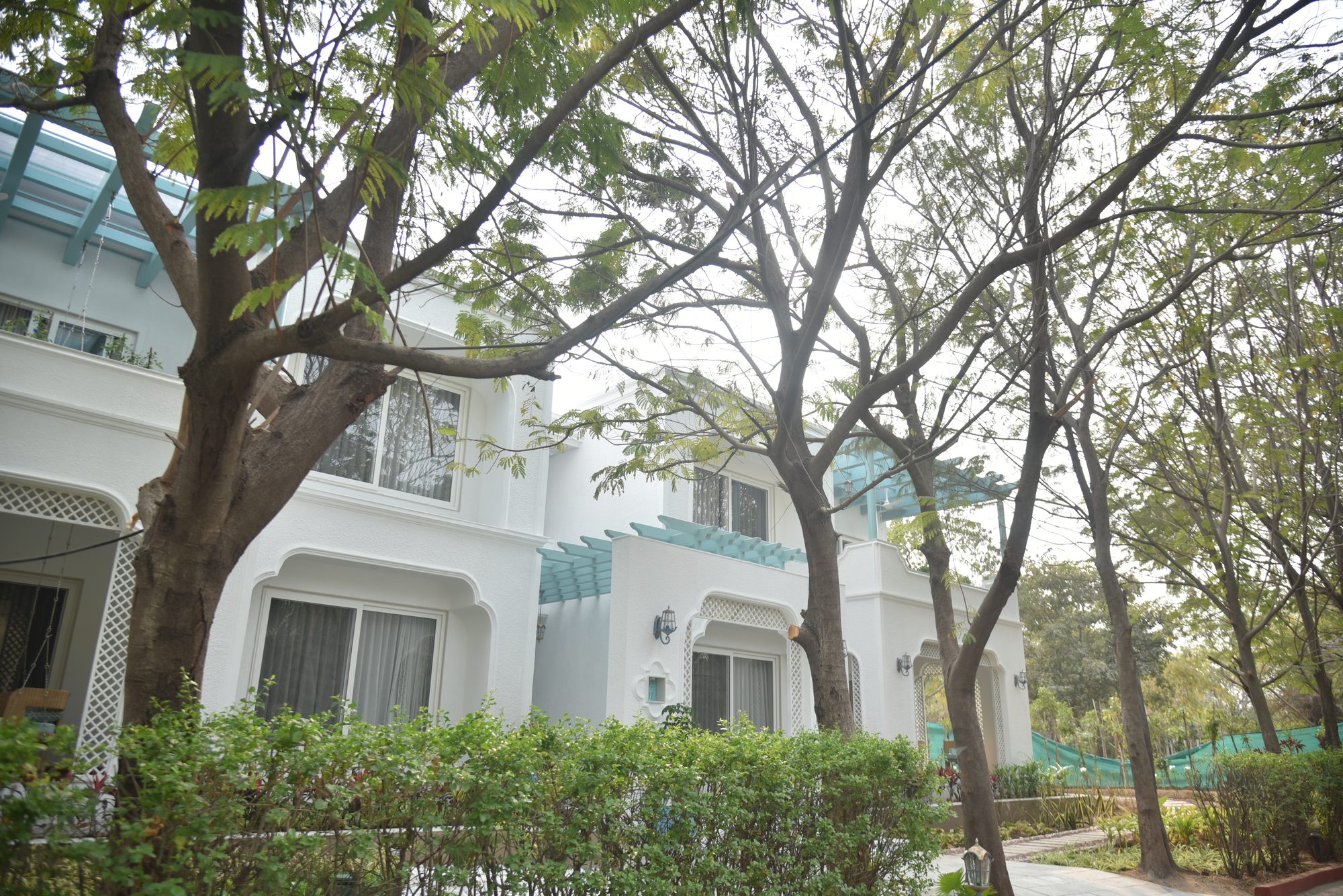
Nature cures the best
Reserve your slot for ₹5,000, adjusted against your stay, or test your healing age and talk it through with a Nimba doctor.