
01
Therapeutic Dietetics
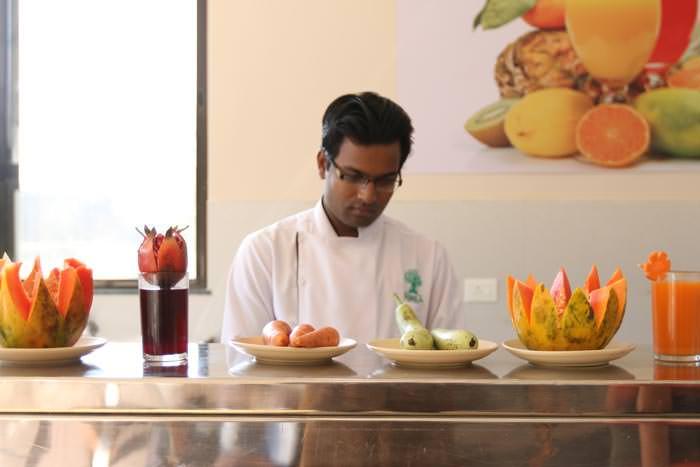
A DASH style dietary plan rich in vegetables, fruits, whole grains and appropriate mineral sources, combined with reduced sodium intake, helps lower blood pressure by influencing fluid balance and vascular regulation.
High blood pressure
Hypertension is a chronic condition in which blood pressure remains persistently elevated, increasing strain on the heart, blood vessels, brain and kidneys.
Excessive sodium intake, obesity, physical inactivity, unhealthy dietary habits and excessive alcohol consumption contribute to hypertension, while genetics, ageing and kidney disorders can also play important roles. High blood pressure often produces no noticeable symptoms. When present, headaches or dizziness are nonspecific and cannot reliably establish the diagnosis.
Over time, uncontrolled hypertension can damage blood vessels and increase the risk of heart attack, stroke, heart failure and kidney disease. Lifestyle related risk factors are supported by the INTERSALT and Nurses' Health Study findings.
Nimba's proposed hypertension programme combines therapeutic nutrition, structured physical activity, weight management and stress reduction practices to support healthy blood pressure regulation.
A DASH style dietary plan rich in vegetables, fruits, whole grains and appropriate mineral sources, combined with reduced sodium intake, helps lower blood pressure by influencing fluid balance and vascular regulation.
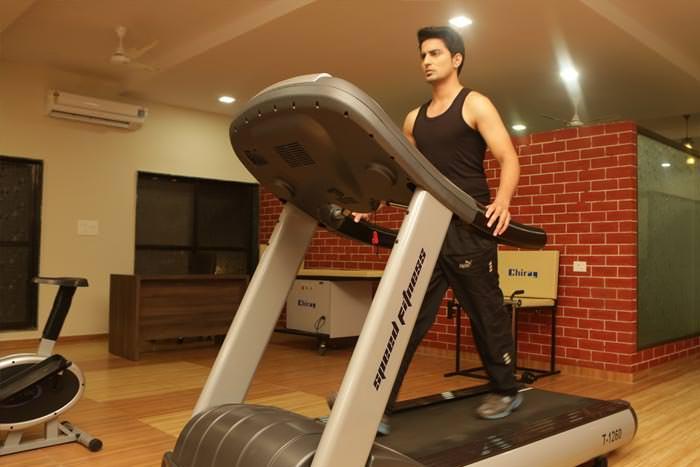
Regular, appropriately prescribed aerobic exercise improves cardiovascular conditioning and vascular function. Combined with weight management, it can reduce resting blood pressure and improve metabolic health.
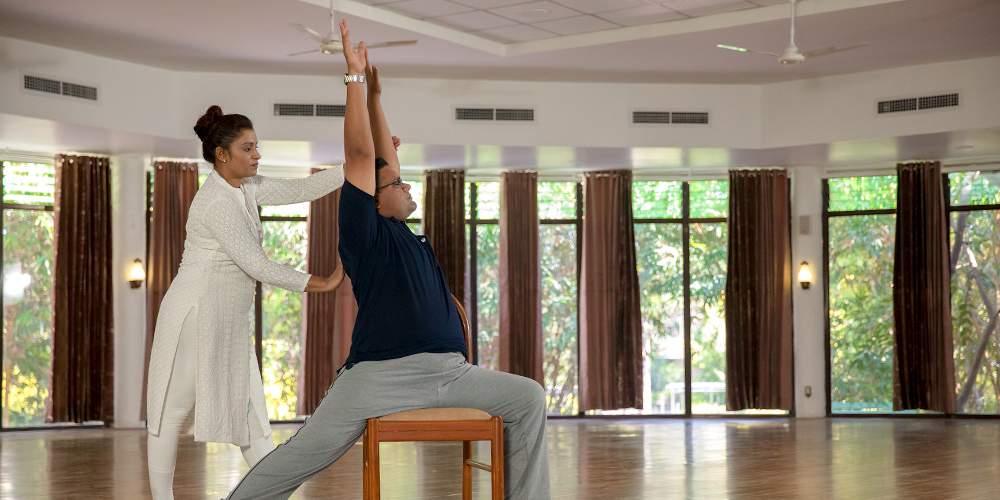
Gentle yoga, relaxation and slow breathing practices may help reduce stress related sympathetic nervous system activity and support autonomic regulation. Their additional blood pressure benefits are variable, so they complement established care.
Assessment of blood pressure patterns, abdominal obesity, glucose regulation, sleep, dietary sodium and physical activity helps identify modifiable risk factors. Progress is measured through validated home blood pressure monitoring and relevant clinical assessments.
Studies selected by Nimba's medical team. They describe research findings, not promises for any one person.
British Medical Journal, 297, 319 to 328.
This international investigation involving 10,079 participants across 52 centres identified relationships between urinary sodium, potassium, body mass index, alcohol intake and blood pressure.
JAMA, 302, 401 to 411.
A prospective study of 83,882 women found that healthier body weight, physical activity and dietary patterns were associated with substantially lower incidence of hypertension.
Sacks F. M. et al. New England Journal of Medicine, 344, 3 to 10.
This randomised feeding trial demonstrated that dietary sodium reduction and the DASH dietary pattern lower blood pressure, with greater effects when combined.
Appel L. J. et al. JAMA, 289, 2083 to 2093.
A randomised trial involving 810 adults demonstrated that comprehensive lifestyle modification, including physical activity, weight management and dietary changes, produces meaningful blood pressure reductions.
New · Online Lifestyle Consultation
Speak to a Nimba doctor by video from home about your health, your reports and whether a stay suits you.
From the reservation form to care at home, the six steps of the Nimba Healing Cycle are shown once, on our home page.
No cure is promised. Nimba's doctors plan research based treatments that support your recovery alongside the care you already receive. Any change to your medicines is made only with medical advice.
No. Bring your regular medicines and recent reports. Your Nimba doctor will review them and coordinate with your own doctor where needed. Never stop a medicine on your own.
The minimum stay is five nights. Your doctor suggests the length of stay and the programme after consultation.
A Nimba doctor decides after reviewing your history and reports. Some acute or severe conditions need hospital care first. You can start with the free Health Test, a call with a doctor or an online lifestyle consultation.
Health reports not older than three months, a list of your medicines, and any recent scans or prescriptions relating to your condition.
Nature cures the best
Reserve your slot for ₹5,000, adjusted against your stay, or test your healing age and talk it through with a Nimba doctor.